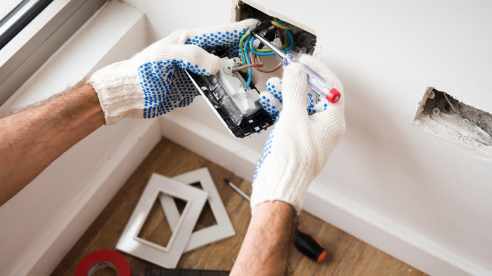
Installation and dismantling of Keys and Contacts
Installation and Dismantling of Keys and Contacts
Keys and electrical contacts are small components with a big impact. They control lighting, appliances, gates, alarms, and countless everyday systems. When a switch starts sticking, a contact overheats, or a keypad becomes unreliable, it can quickly turn into an inconvenience or a safety risk. Our team provides careful installation and dismantling of keys and contacts to keep your electrical points working smoothly and safely.
We work in homes, offices, shops, and industrial spaces, handling both planned upgrades and urgent replacements. Every job starts with listening to your needs, checking the existing wiring, and confirming the correct type of device for the load and environment. Whether you need a single switch replaced or a full set of controls updated across a property, we focus on neat finishes, stable connections, and dependable operation.
What We Install and Remove
Switches, push buttons, dimmers, and keypads
We install new wall switches, push buttons for bell or control circuits, dimmers, and keypad style controls. If you are renovating, we can reposition or add switching points where practical, then ensure proper termination and secure mounting. When dismantling old units, we isolate the circuit, label conductors when needed, and remove damaged or outdated parts without harming surrounding surfaces.
Power contacts and control contacts
Contacts are used in many places, from contactors and relays in panels to contact blocks on control devices. Worn or oxidized contacts can cause heat build up, voltage drop, flickering, or intermittent operation. We replace defective contact elements, tighten terminations to the correct standard, and verify that the rating matches your equipment.
Specialty points and accessories
We also handle accessories that often accompany keys and contacts, such as back boxes, faceplates, indicator modules, and weather resistant enclosures. In outdoor and damp areas, we select appropriate protection levels and seal entries to reduce moisture and dust intrusion.
For broader property needs, you can also explore our electrical installation services for additional circuits, fittings, and upgrades.
Our Process and Safety Checks
Assessment and isolation
Before any dismantling or installation, we confirm the circuit layout and isolate power correctly. We check for signs of overheating, brittle insulation, loose terminals, and incorrect device ratings. If we find underlying issues, we explain the options clearly before proceeding.
Professional installation
We prepare conductors properly, use suitable connectors, and route wiring to avoid pinching or strain. Devices are mounted level and secure, and we ensure faceplates sit flush for a clean finish. Where required, we replace damaged back boxes or improve cable entries so the installation remains stable over time.
Testing and verification
After fitting, we test operation and confirm that switching and contact engagement is reliable. We also check for excessive heat, arcing indications, and abnormal noise from control components. If the work is part of a larger system, we verify that associated equipment responds correctly.
If you need related diagnostics, our electrical troubleshooting support can help identify faults that are not visible at the switch or contact point.
When You Should Replace Keys and Contacts
Many failures start subtly. Replacing a component early can prevent damage to wiring, devices, or connected equipment. Consider service if you notice any of the following.
- Switches that feel loose, stick, or do not click consistently
- Flickering lights or equipment that cuts in and out when operated
- Crackling sounds, burning smell, or visible discoloration on plates
- Warm faceplates or control panels during normal use
- Buttons that require repeated pressing or work only at certain angles
- Old units that do not match current loads or have no clear rating
In busy commercial spaces, worn contacts can cause downtime. In residential properties, aging switches can become a safety concern. We can replace single points quickly or plan phased updates to minimize disruption.
Residential and Commercial Service
Homes and apartments
We replace switches, dimmers, and control points during refurbishments or when faults appear. We take extra care with finishes, aligning plates and protecting painted surfaces. If you are upgrading lighting controls, we can advise on compatible options and confirm safe operation with existing circuits.
Offices, retail, and industrial sites
For commercial properties, we focus on reliability, clear labeling, and durable hardware suited to frequent use. We can coordinate work around operating hours where possible, and we keep the workspace tidy and safe. For ongoing support across a site, see our electrical maintenance services options.
What to Expect When Booking
- Clear communication on the scope of work and suitable parts
- Safe isolation and careful dismantling of old devices
- Correctly rated replacements fitted with secure terminations
- Functional testing and practical guidance on use
- Respect for your space, with clean up after the job
If you are dealing with a faulty switch, a worn contact, or a planned upgrade, we are ready to help you restore safe, dependable control points with a professional finish.
FAQ
Can you replace a single faulty switch without rewiring the room?
In most cases, yes. We isolate the circuit, check the condition of the wiring at the point, and install a correctly rated replacement. If the cable insulation or terminals are damaged, we will explain the safest repair options before proceeding.
What are the warning signs of a failing electrical contact?
Common signs include flickering, intermittent operation, crackling sounds, excessive heat, or visible discoloration around the device. These symptoms can indicate arcing or loose connections, which should be addressed promptly to reduce fire risk.
Do I need to provide the switch or contact parts myself?
You can, but we can also supply suitable components to match the circuit load and environment. Using the correct rating and type is important for safety and reliability. If you have already purchased a device, we will verify compatibility before fitting it.