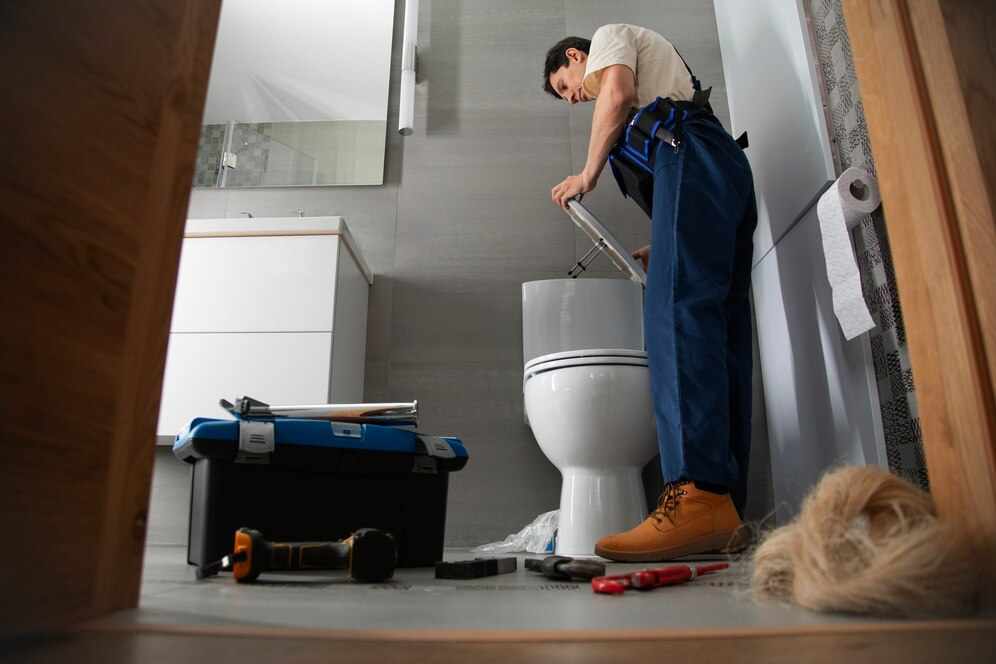
Unclogging a toilet
Unclogging a Toilet Fast and Safely
A clogged toilet is disruptive, messy, and stressful, especially when the water starts rising. Whether it is a slow drain, a complete blockage, or repeated clogs that keep returning, the right approach prevents overflow, protects your bathroom, and avoids damage to the pipes. We provide reliable toilet unclogging for homes and businesses, using proven tools and clean working practices to get everything flowing again.
Common Causes of Toilet Blockages
Toilets are designed for waste and toilet paper only. Many clogs happen when other items enter the bowl, or when a hidden issue in the waste line restricts flow. Understanding the cause helps choose the safest fix and reduces the chance of another blockage a week later.
- Too much paper at once which compacts in the trap and slows the flush.
- Non flushable products such as wipes, sanitary items, cotton buds, and paper towels.
- Children items like toys, toothbrushes, or packaging stuck in the bend.
- Limescale and buildup narrowing the pipe over time, common in hard water areas.
- Drain or venting issues where the waste line or vent stack is partially blocked.
- Problems further down the line including a shared drain blockage or sewer restriction.
If multiple fixtures are draining slowly, or you notice gurgling sounds and bad odours, the issue may be beyond the toilet itself and needs a broader check by professional plumbing services.
Our Toilet Unclogging Process
We focus on quick relief without causing avoidable damage. Chemical drain cleaners can harm seals and pipework, and they often fail when the obstruction is solid. Our approach is targeted, safe, and designed to keep your bathroom clean throughout the job.
1. Assessment and overflow prevention
We start by assessing the symptoms, checking the bowl level, flush behaviour, and signs of backflow. If there is a risk of overflow, we stop further flushing, protect surrounding surfaces, and use controlled methods to lower the water level when needed.
2. Clearing the blockage with the right tools
Depending on the cause, we may use a heavy duty plunger technique, a toilet auger to break up or retrieve obstructions, or additional equipment when the blockage sits deeper in the line. When appropriate, we can also check for restricted flow in the connected waste pipe to make sure the clog is fully removed rather than just pushed along.
3. Flow testing and clean finish
Once cleared, we test multiple flush cycles and verify drainage speed. We clean the work area, remove debris safely, and share practical guidance to help prevent a repeat problem. If we uncover signs of a more serious issue, we can recommend follow on toilet repair services or drain work to address the root cause.
Emergency Toilet Unclogging and When to Call
Some clogs can wait, but others should be treated as urgent to avoid water damage and hygiene risks. If you have one toilet and it will not flush, or the bowl fills quickly, prompt service makes a big difference. The same applies to toilets in busy premises where downtime affects staff and customers.
- Water rising toward the rim or overflowing onto the floor.
- Sewage smell or visible backflow when other fixtures are used.
- Repeated clogs that return after plunging.
- Multiple slow drains indicating a wider blockage.
- Commercial toilets where constant use increases the risk of severe obstruction.
When the situation is urgent, booking emergency plumbing services helps restore function quickly while reducing the chance of damage to flooring, grout, and surrounding fittings.
Toilet Unclogging for Homes and Businesses
We handle blockages in apartments, houses, and rental properties, as well as shops, offices, restaurants, and other facilities. For residential clients, we aim for minimal disruption and leave the bathroom spotless. For commercial clients, we work efficiently and can provide recommendations for maintenance habits that reduce call outs, especially in high traffic washrooms.
If the toilet is old, constantly running, or rocking at the base, a clog may be only part of the problem. We can identify whether there is a faulty flush mechanism, a restricted outlet, or a damaged seal contributing to poor performance, and advise on the best next step.
How to Reduce Future Clogs
After we restore proper flow, small changes can significantly reduce repeat issues. These tips are also useful for households with children or guest bathrooms.
- Flush only waste and toilet paper, never wipes or hygiene products.
- Use smaller amounts of paper per flush, especially with older low flow toilets.
- Keep a bin in the bathroom for non flushable items.
- Address slow drainage early before it becomes a full blockage.
- Schedule checks if you notice gurgling, odours, or repeated clogs.
For many clients, a single professional unclog is all that is needed. If there is an underlying drain issue, we will explain the options clearly so you can choose a practical solution that fits your property and budget.
Contact us to arrange toilet unclogging at a time that suits you, and we will restore reliable flushing with clean, careful workmanship from start to finish.
FAQ
What should I do immediately if my toilet is about to overflow?
Stop flushing right away and turn off the water at the shut off valve near the toilet. If the bowl is very full, avoid plunging aggressively as it can cause spillover. Call for service if the water level does not drop or if you see backflow.
Can I use chemical drain cleaners to unclog a toilet?
It is usually not recommended because many products are not designed for toilet traps and can damage seals or corrode pipework. They also struggle with solid obstructions like wipes or toys. Mechanical clearing is typically safer and more effective.
Why does my toilet keep clogging even after it is cleared?
Repeat clogs can indicate a partial blockage deeper in the waste line, poor venting, buildup in the pipe, or a toilet issue such as weak flushing performance. If other drains are slow or you hear gurgling, the problem may be in the shared drain or sewer line. A proper assessment helps identify the root cause.