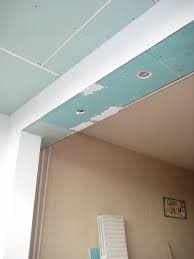
Plasterboard trunk/hiding pipes/
Plasterboard Trunking to Hide Pipes and Cables
Visible pipework can make even a well finished room look unfinished. Plasterboard trunking, also called boxing in, is a clean and durable way to conceal heating pipes, waste pipes, and electrical runs while keeping the space easy to maintain. We design and install neat plasterboard enclosures that blend into your walls and ceilings, ready for paint, tiling, or other finishes.
Whether you need to hide radiator pipes in a living room, tidy exposed plumbing in a bathroom, or cover services in a kitchen renovation, we tailor the trunk to the room layout and the type of installation. The aim is simple, a crisp, straight finish that looks like it was always part of the building.
Where Plasterboard Trunking Works Best
Trunking is ideal when you want a refined look without moving pipe routes or opening up large sections of wall. It is commonly used in older homes, after plumbing upgrades, and in commercial spaces where service runs need to be protected and kept out of sight.
- Heating pipe boxing along skirting lines, under windows, and around radiator drops
- Soil and waste pipe enclosures in bathrooms, utility rooms, and cloakrooms
- Kitchen service runs for water, waste, and appliance feeds
- Vertical risers in hallways or corners where multiple pipes come together
- Cable and data routes when chasing walls is not suitable
If your project also includes broader changes like new partitions or ceiling work, we can align the trunking with the overall layout as part of wall and ceiling construction so everything finishes flush and consistent.
How We Build a Clean, Access Friendly Box In
Planning, measurements, and clearances
We start by checking the pipe sizes, insulation requirements, and any fittings that need space, such as valves, traps, or joints. The trunk is sized to avoid tight squeezes that can cause noise, vibration, or heat build up. We also confirm where access is needed and how the finished surfaces will meet adjacent walls, tiles, or floors.
Framing and fixing
For a strong result, the enclosure is built on a stable frame, then lined with quality plasterboard. Fixings are chosen to suit the background, including masonry, timber, or existing drywall. Corners are kept straight and edges are aligned, which is especially important in bathrooms and kitchens where small deviations show once tiled or painted.
Access panels and maintenance points
Hiding services should not mean creating future problems. Where shut off valves, clean outs, or electrical connections are present, we include discreet access panels. These can be placed on the face or underside of the trunking depending on what looks best and what provides practical reach.
Finishing ready for paint or tile
Joints are taped and filled for a smooth finish, then sanded to a clean surface. In wet areas, we can use moisture resistant boards and prepare the enclosure for waterproofing and tiling as required. If the trunking connects into existing walls or new partitions, we match the finish as part of wall and ceiling finishing so the end result feels seamless.
Materials, Options, and Design Details
Every property is different, so we offer practical options that suit the room and your budget. The most common choice is a simple rectangular box, but we can also create stepped profiles, corner trunking, and slimline covers where space is tight. When required, we allow for pipe insulation thickness and ventilation gaps, particularly around hot water and heating pipes.
- Standard plasterboard for dry rooms and general areas
- Moisture resistant board for bathrooms, ensuites, and utility rooms
- Fire resistant solutions when specified for certain service routes
- Tile ready surfaces with careful alignment to grout lines and edges
- Integrated access using hinged or push fit panels to keep lines clean
If you are planning additional works like partition changes, bulkheads, or ceiling drops, we can coordinate the trunking with interior partition installation to keep everything consistent and avoid awkward joins.
What to Expect During Your Installation
We aim to keep disruption low and the workspace tidy. Most trunking jobs can be completed quickly once access is clear, and we protect nearby surfaces where needed. Before we start, we confirm the route, the trunk dimensions, and where access points will sit. After installation, we check alignment, edges, and stability, then leave the enclosure ready for decoration or tiling.
- Site check and measurement of pipes, fittings, and required access
- Agreement on trunking size, profile, and finish requirements
- Framing and board installation with straight lines and solid fixing
- Taping, filling, and sanding for a smooth paint ready surface
- Final review of access points and overall appearance
For a neat, professional way to conceal pipes and cables without sacrificing access, plasterboard trunking is a practical upgrade that improves the look and feel of any room.
FAQ
Can you include an access panel for valves or traps?
Yes, we can fit discreet access panels wherever maintenance is needed. We position them for practical reach while keeping the visible lines clean and tidy. This helps you avoid damaging finishes later if work is required.
Is plasterboard trunking suitable for bathrooms and kitchens?
It is, as long as the right board and finish are used. In wet areas we typically use moisture resistant plasterboard and prepare surfaces to suit waterproofing and tiling. We also size the box to allow for insulation and fittings.
Will boxing in reduce noise from pipes?
It can help, especially when the enclosure is properly framed and pipes are not in contact with the board. We allow appropriate clearances and can accommodate insulation where required. If noise is a concern, we will recommend the best build up for your layout.