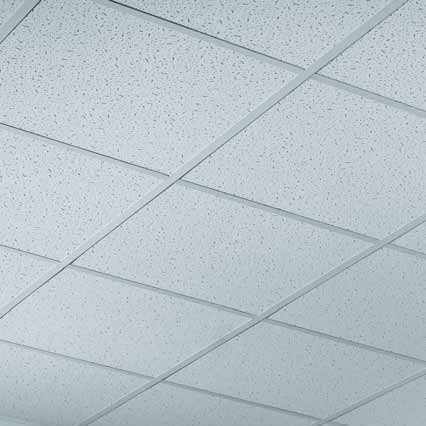
Raster assembly
Raster Assembly
Raster assembly is the foundation for clean, durable interior finishes. It is the process of building a precise metal or timber framework that supports drywall, gypsum boards, acoustic panels, and suspended ceilings. When the raster is assembled correctly, walls stay straight, joints remain stable, and ceilings look level for years.
Our team delivers raster assembly for renovations and new builds in homes, offices, retail spaces, and industrial interiors. We plan the layout, install the framework, and prepare it for the next trades so your project moves forward without delays or rework.
What Raster Assembly Includes
Wall and partition frameworks
We assemble stud frameworks for interior partitions, service shafts, and room dividers. This includes setting tracks, placing studs at the correct spacing, and reinforcing areas for doors, cabinets, radiators, or heavy wall mounted equipment. If you are planning interior partition installation, accurate raster assembly is essential for straight lines, solid corners, and reliable fixing points.
We also coordinate openings and niches so electrical boxes, plumbing runs, and ventilation penetrations align with the final finish. This reduces on site cutting and helps keep fire and acoustic requirements intact.
Ceiling grids and suspension systems
For suspended and false ceilings, we install hangers, channels, and perimeter trims to create a stable ceiling plane. The goal is a grid that stays level and carries lighting, access hatches, acoustic panels, and insulation without sagging. When needed, we add extra suspension points around heavier fixtures and follow manufacturer load limits.
Many clients combine raster assembly with suspended ceiling installation and finishing works to keep responsibility clear and timelines predictable.
Preparation for boarding and finishing
Raster assembly is not only about fixing metal to walls. It is also about ensuring the structure is ready for boarding. We check alignment, spacing, and rigidity, then confirm that insulation, vapour control layers, and service routes are correctly placed before boards go up. This helps prevent cracks, uneven surfaces, and future access problems.
How We Work On Site
Every site has different constraints, from uneven substrates to tight ceiling voids. Our approach keeps quality consistent while adapting to real world conditions.
- Site assessment and measurements to confirm levels, wall lines, and ceiling heights, including laser checks where appropriate.
- Layout and marking to position tracks, hangers, and openings accurately before fixing begins.
- Framework installation using suitable anchors and fixings for concrete, masonry, timber, or steel substrates.
- Bracing and reinforcement around doors, corners, and load areas to prevent movement and vibration.
- Quality control to verify plumb, level, and spacing so boarding and finishing proceed smoothly.
Where the project requires coordination with other works such as sound insulation, fire stopping, or mechanical and electrical runs, we sequence the raster assembly to reduce clashes and avoid rework.
Materials, Standards, and Performance
We assemble rasters using metal studs and channels or timber framing depending on the specification, moisture conditions, and performance targets. Metal systems are often preferred for dimensional stability and compatibility with modern drywall solutions, while timber can be suitable for certain residential applications.
Raster assembly plays a direct role in how the finished room performs. A properly built framework improves acoustic separation, supports insulation thickness, and helps achieve fire rated assemblies when combined with the correct boards and detailing. If your project includes drywall ceiling installation or partitioning, we can advise on practical choices like stud spacing, deflection heads, and reinforcement zones to match the intended use of the space.
- Straightness and level for clean lines and easier finishing.
- Correct spacing to avoid board flex and joint cracking.
- Load planning for cabinets, TVs, doors, and ceiling mounted fixtures.
- Moisture aware detailing in bathrooms, utility rooms, and kitchens.
When Raster Assembly Is the Right Choice
Raster assembly is ideal when you need to change the layout of a space, hide services, or improve comfort without heavy wet trades. It is commonly used for creating new rooms, forming corridors, installing service ceilings, or building smooth surfaces over uneven existing walls.
- Renovations where walls are out of plumb and need a true framework.
- Office fit outs that require flexible partitioning and quick installation.
- Retail and hospitality spaces with lighting, ventilation, and acoustic needs.
- Residential projects adding bedrooms, home offices, or utility areas.
We can work from your drawings and specifications or help clarify the build up so the framework supports the final finishes properly. The result is a stable base that makes boarding, taping, and finishing faster and more reliable.
To schedule raster assembly or request a quotation, contact us with your room dimensions, ceiling height, and any plans you have, and we will propose a clear scope and timeline that fits your project.
FAQ
How long does raster assembly take for a typical room?
Time depends on room size, ceiling height, and the number of openings for doors or services. A simple framework can often be assembled in one day, while complex partitions and ceiling grids may take longer. We confirm timing after measuring and reviewing site conditions.
Can you reinforce the framework for heavy items like cabinets or TVs?
Yes, we add reinforcement plates or additional studs where loads are planned. Tell us what will be mounted and roughly where, and we will prepare secure fixing points before the boards are installed.
Do you also install insulation and vapor barriers inside the raster?
We can install insulation and coordinate vapor control layers as part of the build up when specified. This is best planned before boarding so all layers remain continuous and meet acoustic or moisture requirements.