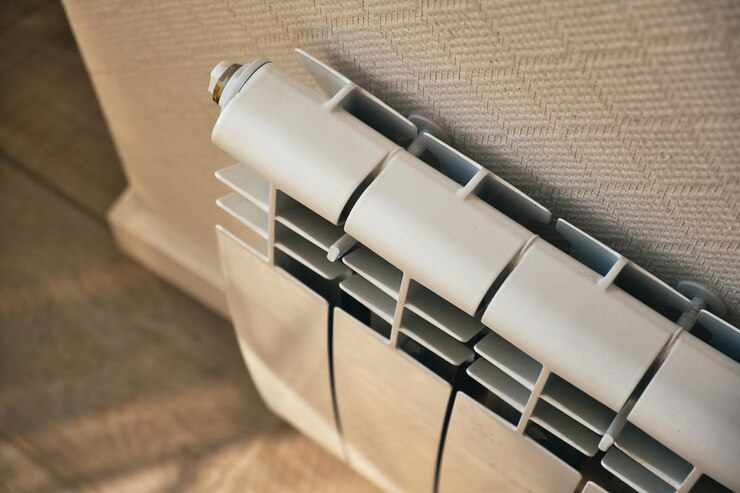
Delivery and installation of Convectors
Delivery and Installation of Convectors
Convectors are a reliable way to heat homes, apartments, offices, and commercial spaces quickly and evenly. Whether you are replacing an older unit, fitting out a new property, or adding heat to a specific room, correct delivery and installation make a real difference in performance, safety, and running costs.
We provide a complete service that covers careful transport, on site handling, professional mounting, and proper connection so your convector works as intended from day one. Our team helps you choose the best placement, checks your electrical or hydronic connections, and verifies that the unit heats efficiently and quietly.
What We Deliver and Install
We work with common convector types used in residential and light commercial settings. If you already purchased a unit, we can install it, or we can coordinate delivery based on your requirements and site conditions.
- Electric convectors for fast room heating with simple control options.
- Hydronic convectors connected to a hot water system for steady heat and good energy efficiency.
- Wall mounted convectors for space saving installation and safer positioning away from foot traffic.
- Floor level and low profile units for rooms with large windows and limited wall space.
If you are planning broader heating services alongside convectors, we can align the installation with your existing system and control strategy to avoid uneven temperatures across the property.
Our Delivery and Installation Process
1. Pre installation checks
Before any work starts, we confirm the installation location, power or pipe connections, wall structure, clearances, and airflow requirements. We also review the unit specifications to make sure the selected model suits the room size and use, including insulation level and typical occupancy.
2. Safe delivery and handling
Convectors can be damaged by impacts, improper storage, or moisture exposure. We deliver the unit carefully, keep packaging intact until needed, and check for visible issues before installation. Any concerns are flagged immediately so you do not discover them after the unit is already mounted.
3. Professional mounting and connection
We mount the convector level and secure, using appropriate fixings for the wall type. For electric units, we connect according to local electrical requirements and confirm that protection devices and cable sizing are appropriate. For hydronic convectors, we ensure correct pipe connections, sealing, and airflow control, with attention to leak prevention and easy future servicing.
4. Commissioning and performance verification
Once installed, we test operation and verify that heat output, airflow, and controls respond correctly. Where applicable, we check thermostat behavior, temperature stability, and noise levels. If your project includes hvac maintenance services, we can also advise on filter checks, system bleeding, and seasonal startup routines to keep performance consistent.
Placement Guidance and Comfort Improvements
Where a convector is installed matters almost as much as the model you choose. We help position units to reduce cold drafts, prevent heat being trapped behind furniture, and keep walkways clear. In rooms with large glazing, convectors placed strategically can improve comfort by countering cold downdrafts near windows.
- Airflow clearance is maintained so warm air can circulate freely.
- Control access is considered for convenient adjustments and safe use.
- Moisture and splash zones are reviewed for bathrooms, kitchens, and utility areas.
- Room zoning is supported so different spaces can be heated based on usage.
If you want integrated controls, we can align your convectors with a thermostat strategy and advise on options such as basic room thermostats or timed operation. For properties that already rely on broader professional hvac services, we ensure the convector setup complements the overall comfort plan rather than working against it.
What to Expect on the Day
We arrive with the necessary tools and installation hardware, protect nearby surfaces, and keep the work area tidy. Our technicians explain the steps before starting, then walk you through operation after commissioning. You will know how to adjust temperature, what normal operation sounds like, and what warning signs to watch for.
- Confirm location and access, then isolate power or heating loop as required.
- Mount the unit securely and connect electrical or hydronic interfaces.
- Test for safe operation, stable heating, and correct control response.
- Provide usage guidance and basic care recommendations.
When You Should Consider a New Convector
Many clients contact us after noticing uneven heat, rising energy use, or a unit that no longer responds correctly. Upgrading can improve comfort and reduce running costs, especially when paired with improved controls and better placement.
- Cold spots in the room or slow warm up times.
- Clicking, rattling, or unusual smells during operation.
- Visible corrosion, leaks, or repeated tripping on electric units.
- Renovations that change room layout, insulation, or window area.
We can recommend an installation approach that fits your space, budget, and usage patterns, and we will not leave until your convector is running safely and delivering consistent warmth.
FAQ
How do I know what size convector I need for a room?
The right size depends on room dimensions, insulation, window area, and how the space is used. We can review these factors and confirm a suitable heat output so the unit warms the room evenly without excessive running time.
Can you install a convector I already purchased?
Yes. We will verify compatibility, check the condition of the unit on arrival, and install it according to the manufacturer requirements and site conditions. If any parts or safety upgrades are needed, we will explain them before proceeding.
What checks are done after installation?
We commission the unit by testing controls, heat output, and safe operation. For hydronic convectors we also check for leaks and proper circulation, and for electric units we verify correct power connection and stable performance.