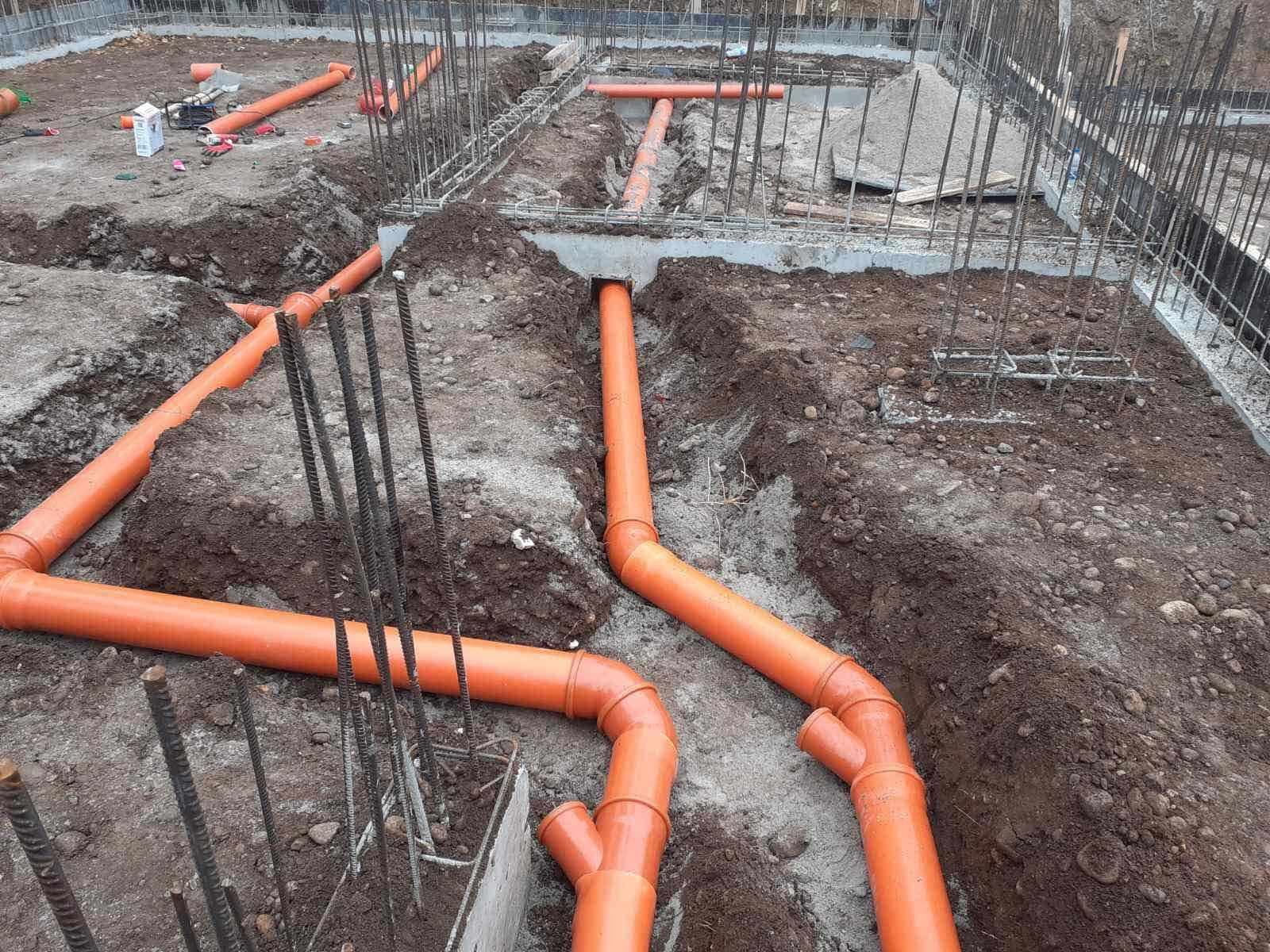
Construction of a new sewer
Construction of a New Sewer
A properly built sewer line is essential for safe wastewater removal, hygiene, and long term property protection. Whether you are developing a new home, extending a commercial site, or replacing an outdated system, new sewer construction requires careful planning, correct materials, and precise installation. We deliver end to end sewer construction that meets local requirements, protects surrounding structures, and supports reliable drainage for decades.
When a New Sewer Line Is the Right Choice
New sewer construction may be needed for new builds, major renovations, or when an existing line can no longer be repaired economically. Older clay or corroded pipes may collapse, allow root intrusion, or create recurring blockages. In other cases, a site extension, a change in plumbing layout, or a new outbuilding requires a dedicated connection to the main sewer.
If you are unsure whether you need a new line or a targeted fix, we can assess the condition of existing pipes and advise on the safest path forward. Our team coordinates the sewer build with broader plumbing installation services so your internal drainage, vents, and fixtures connect correctly and perform as designed.
- New construction: first time installation from building to connection point
- Replacement: full removal and rebuild due to collapse or severe damage
- Upgrades: increased capacity for added bathrooms, apartments, or higher usage
- Site changes: driveway works, landscaping, or extensions that require rerouting
Our Approach, From Survey to Commissioning
Every property is different, so we begin with an on site review to confirm route options, depth, fall, and access. We identify existing utilities, check ground conditions, and map the best alignment to reduce risk and disruption. Where appropriate, we also plan access points for future inspection and maintenance, helping you avoid unnecessary excavation later.
1. Planning and route design
We design a sewer route that maintains proper gradient for gravity flow and avoids sharp turns that can trap solids. When constraints exist, such as limited fall or long distances, we recommend practical alternatives like revised routing or pumping solutions if required. You receive clear guidance on what will be built and why, including expected timelines and site requirements.
2. Excavation and groundworks coordination
Trenching is completed with safety and property protection in mind. We coordinate with other trades and schedule works to keep access manageable for occupants and deliveries. Spoil handling, shoring where needed, and surface protection are planned in advance to keep the site controlled and compliant.
3. Pipe installation and connections
We install suitable pipework for the application and ground conditions, typically using durable modern materials with sealed joints to minimise infiltration and root entry. Correct bedding and backfill are essential for long term performance, so we compact in layers and maintain alignment and fall throughout the run. Connections to the building drain and the main sewer are completed carefully to prevent leaks and future settlement issues, and all tie ins are checked for watertightness.
4. Testing and commissioning
Before backfilling is finalised, we test the system to confirm flow and integrity. If required, we can arrange additional verification and provide documentation relevant to the project. If you also need follow on plumbing inspection services to confirm internal pipework connections and venting, we can coordinate everything in one plan.
Materials, Build Quality, and Long Term Reliability
A sewer line is not just a trench and a pipe. Build quality determines whether you will face odours, sinkholes, repeat blockages, or costly repairs. We focus on details that protect your investment, including consistent gradients, stable bedding, and accessible cleanouts for future service. Where the site allows, we also consider routes that simplify maintenance and reduce the chance of damage from future landscaping or construction.
- Correct fall: supports smooth flow and reduces the risk of solids buildup
- Sealed joints: helps prevent infiltration and root intrusion
- Proper bedding and backfill: reduces settlement and pipe deformation
- Access points: makes cleaning and inspection easier over the life of the system
Residential and Commercial Sewer Construction
We deliver sewer builds for single family homes, multi unit properties, retail units, offices, and light industrial sites. Residential projects often prioritise minimal disruption and careful reinstatement of gardens and driveways. Commercial projects may involve heavier usage, longer runs, and coordination with multiple stakeholders, so we plan for capacity, access, and site safety.
If your property needs additional related work, such as manhole adjustments, drain tie ins, or ongoing care, our broader plumbing system services can support you before, during, and after the build.
What to Expect From Start to Finish
- Initial consultation: we discuss your project goals, site constraints, and timing
- Site assessment: route planning, utility awareness, and build method selection
- Quotation: clear scope, materials, and staging so you can plan confidently
- Construction: excavation, pipe laying, connections, and staged backfill
- Testing: confirmation of performance before final reinstatement
- Handover: practical guidance for use, access, and future maintenance
If you are planning a build or dealing with recurring sewer issues, we can design and construct a new sewer line that is robust, compliant, and built for dependable everyday use.
FAQ
How long does new sewer line construction usually take?
Many residential installations can be completed in one to three days, depending on trench length, depth, and surface reinstatement needs. Larger sites or complex connections can take longer, especially if access is restricted.
Will you need to dig up my driveway or garden to install a new sewer?
In most cases, some excavation is required along the pipe route. We plan the alignment to reduce disruption, protect key areas where possible, and reinstate surfaces once testing is complete.
How do I know if I need a full replacement instead of a repair?
If the line has repeated blockages, collapsed sections, severe root intrusion, or widespread deterioration, replacement can be more reliable than repeated fixes. A site assessment and condition check help confirm the best option before work begins.