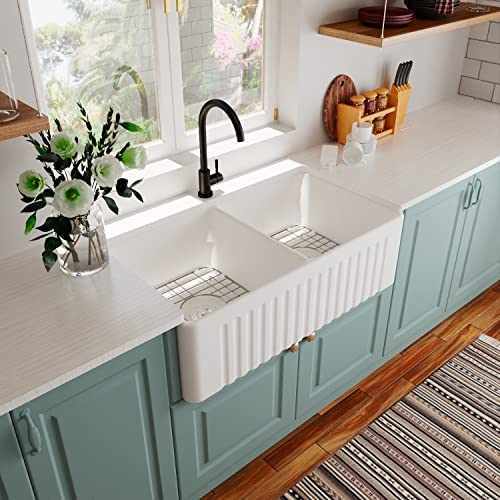
Installation of a porcelain sink
Porcelain Sink Installation
A porcelain sink brings a clean, classic look to kitchens, bathrooms, and utility rooms. It is also a precision fixture that needs stable support, correct sealing, and properly aligned plumbing to stay chip free and leak free. Whether you are replacing an older basin or fitting a new vanity or countertop, a careful installation protects your cabinetry, walls, and flooring from water damage.
We install porcelain sinks in residential and commercial settings, working with top mount, undermount, wall hung, pedestal, and console styles. If you are unsure which type suits your space, we can assess the existing plumbing and structure, then recommend a safe and tidy approach using sink installation services that match your layout and daily use.
What Is Included in Our Installation Service
Every porcelain sink job is planned around the fixture type, the mounting surface, and the condition of the existing pipework. Our goal is a secure fit, smooth drainage, and a long lasting seal around all contact points.
- Site check and measurements to confirm clearances, fixing points, and alignment with supply and waste lines.
- Removal of the old sink when needed, including careful disconnection and disposal guidance.
- Mounting and support using the correct brackets, clips, rails, or pedestal anchoring to prevent movement and stress cracks.
- Drain and trap installation with proper slope and access for future maintenance.
- Sealing and finishing using suitable sanitary sealant to prevent moisture ingress behind the basin or countertop.
- Leak testing on both supply and waste connections, plus a final operational check for drainage speed and odors.
If your project involves a new tap, pop up waste, or shut off valves, we can include that work during the same visit through our wider plumbing installation services.
Our Process, Step by Step
1. Preparation and protection
We isolate the water supply, protect nearby surfaces, and confirm the sink model and fixing method. Porcelain is durable in daily use but can chip if handled incorrectly, so we position and support the basin carefully during all stages.
2. Removal and inspection
When replacing a sink, we disconnect the trap and supplies, remove old sealant, and check the surrounding area for hidden moisture damage. We also inspect the waste outlet height and the condition of the existing fittings to avoid future blockages or leaks.
3. Mounting the porcelain sink
Different sink styles need different support. A wall hung basin requires sound wall fixings and correct load distribution. An undermount sink needs accurate placement, strong clips, and a reliable bond to the countertop. Top mount models depend on an even rim seat and uniform sealing to prevent water from seeping into the cabinet. We install the sink level, centered, and fully supported.
4. Plumbing connections and testing
We connect the waste assembly and trap, then tie into the existing drain line with a clean, serviceable layout. Water is turned on gradually while we check every joint for seepage. Finally, we run a flow test to confirm fast drainage and verify that the trap seal is holding properly.
Common Challenges We Solve
Porcelain sinks often reveal issues that were hidden by older fittings or poor workmanship. We routinely handle problems that can otherwise lead to repeated leaks or unstable basins.
- Misaligned pipework that forces the trap to sit under strain or creates slow drainage.
- Damaged or uneven mounting surfaces that prevent the sink from sitting flat and sealed.
- Old valves and corroded connections that can fail soon after a new sink is installed.
- Limited cabinet space that requires a compact trap arrangement while keeping access for maintenance.
- Cracked grout or sealant gaps around the basin that can allow water into walls and timber.
If you suspect a leak, damp smell, or staining in the cabinet, we can combine installation with plumbing leak repair so the area is dry and secure before the new sink is finished.
When to Replace or Upgrade Your Sink
A new porcelain sink is often chosen for appearance, but it can also improve hygiene and usability. Consider replacement if your existing basin has hairline cracks, persistent stains, wobbling fixings, or recurring drain odors. Upgrading is also worthwhile during a bathroom or kitchen refresh when you want better tap placement, deeper bowls, or a more practical layout around the vanity.
For landlords and business owners, a properly installed sink reduces call outs and protects surrounding joinery from moisture. We can schedule installations to minimize disruption, and we always confirm that the fixture is stable, sealed, and ready for everyday use before we leave.
What You Can Expect From Our Team
- Clear communication on what is required for your specific sink type and space.
- Careful handling of porcelain to avoid chips, stress, and uneven loading.
- Clean workmanship with tidy sealing lines and a neat under sink layout.
- Practical guidance on curing time for sealant, safe cleaning methods, and early signs of leaks.
To book a porcelain sink installation or to discuss your fixture and plumbing layout, contact us with photos and basic measurements and we will help you plan the next step with confidence.
FAQ
How long does a porcelain sink installation usually take?
Most straightforward replacements take 2 to 4 hours, depending on access and the condition of the existing valves and waste pipe. New installs or changes to mounting and pipe alignment can take longer.
Can you install a new faucet and waste with the porcelain sink?
Yes, we can fit a compatible tap, pop up waste, and trap during the same appointment. This ensures the connections match correctly and the full setup is tested for leaks before handover.
What should I do if my sink cabinet has signs of water damage?
Do not ignore it, since even small leaks can swell timber and damage flooring. We will inspect the area, identify the source, and advise whether repairs or drying are needed before the new sink is sealed in place.