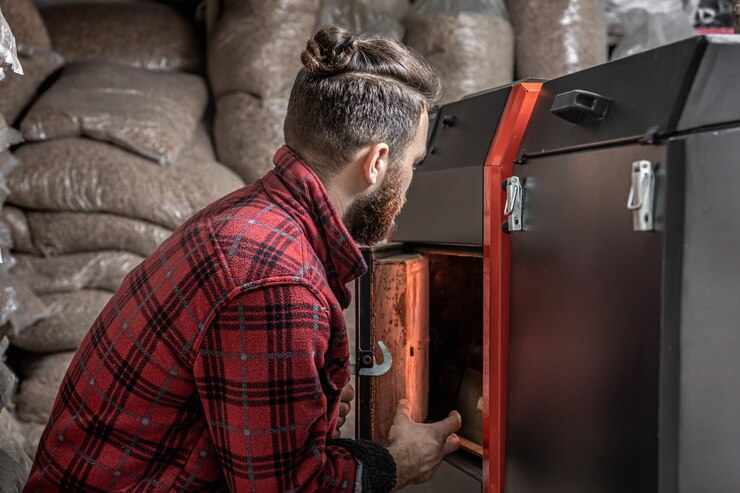
Installation and dismantling of a pellet boiler
Pellet Boiler Installation and Dismantling
A pellet boiler is a reliable way to heat a home or business while using a renewable fuel. To perform safely and efficiently, it must be installed correctly and matched to your property, your hot water needs, and your existing heating circuit. We provide a complete service for installing new pellet boilers and dismantling old units, with careful planning, clean workmanship, and clear guidance on operation.
Whether you are upgrading from oil or gas, replacing an older pellet unit, or fitting a boiler in a new build, we help you make practical choices on boiler size, location, flue routing, and pellet storage. If you are also considering related heating services, we can coordinate the boiler work with other improvements to reduce downtime and avoid rework.
What is Included in Pellet Boiler Installation
Every property is different, so we start with an on site assessment and a plan for a compliant, serviceable setup. The goal is stable heat output, efficient combustion, easy maintenance access, and safe exhaust removal.
- Site survey and sizing based on heat loss, radiator or underfloor demand, cylinder sizing, and your usage patterns.
- Positioning and clearances to allow safe operation, ash removal, and access for servicing and repairs.
- Hydraulic connections to integrate the boiler with existing pipework, pumps, valves, and a suitable expansion and safety arrangement.
- Flue and air supply routing for correct draft, safe distances, and tidy finishes, including wall or roof penetration where required.
- Controls and wiring including thermostat connection, sensor placement, and integration with existing heating zones when applicable.
- Commissioning with combustion checks, leak inspection, safety validation, and an efficiency focused setup.
Before we leave, we walk you through start up and shut down, fuel quality basics, and what normal operation should look and sound like. You will know how to adjust temperature schedules, recognize simple alerts, and keep the boiler room safe and clean.
Safe Dismantling and Removal of an Old Boiler
Removing an old boiler is not just a matter of disconnecting pipes. It involves isolating the system, managing residues, and ensuring that the remaining heating circuit stays protected from debris and leaks. We dismantle pellet, oil, gas, and solid fuel boilers with a methodical approach that prioritizes safety.
- System isolation and draining to prevent spills and protect components like pumps and valves.
- Disconnection of pipework, electrics, controls, and flue, with careful labeling where parts will be reused.
- Removal of the boiler and associated items such as hoppers or augers when present.
- Cleaning and preparation of the installation area so the new boiler can be fitted without contamination.
If you are upgrading and want the rest of the system checked at the same time, we can coordinate with broader boiler installation services planning, including recommendations for controls, zoning, and system protection.
System Compatibility, Efficiency, and Long Term Reliability
A pellet boiler performs best when the whole system is designed around stable water temperatures and good circulation. During installation we look at the full heating loop, not only the boiler, to prevent short cycling, uneven radiator performance, and excess fuel use.
Key checks we recommend
- Pipework condition and whether upgrades are needed to handle flow rates and reduce heat losses.
- Radiators and emitters for correct sizing and balancing, especially after extensions or insulation upgrades.
- System protection such as filters or strainers to keep the heat exchanger and pumps clean.
- Hot water setup including cylinder compatibility, coil sizing, and anti scald considerations.
- Pellet storage options like bags, hoppers, or bulk storage, plus safe delivery access and dry conditions.
When requested, we can also advise on complementary hvac maintenance services that support comfort and efficiency across the whole property, especially in mixed systems where ventilation or cooling also impacts heat demand.
How the Process Works
We keep the project straightforward and transparent, with clear scheduling and minimal disruption.
- Consultation to understand your goals, fuel preference, and current system issues.
- Survey and proposal covering the recommended boiler size, installation approach, and required accessories.
- Installation or dismantling visit completed with care for flooring, access routes, and cleanliness.
- Commissioning and handover including operational guidance and recommended maintenance intervals.
If you need heat during an upgrade, tell us in advance. We will plan the changeover to limit downtime and, where possible, keep hot water interruptions short.
Why Choose Our Team
- Safety first with structured checks for leaks, flue integrity, and electrical connections.
- Practical advice on pellet quality, storage, and day to day operation.
- Respect for your home with tidy routing, neat finishes, and clean work practices.
- Serviceability with layouts that allow future maintenance without major disassembly.
To book pellet boiler installation or dismantling, contact us with your property details and photos of the current setup if available, and we will arrange a survey and provide a clear plan for the next steps.
FAQ
How do I know what size pellet boiler I need?
Boiler size depends on your property heat loss, insulation level, and hot water demand. We confirm sizing during a site survey and also check radiators or underfloor circuits to avoid short cycling and wasted fuel.
Can you remove my old boiler when installing a new pellet boiler?
Yes, we can dismantle and remove the existing boiler as part of the upgrade. We isolate and drain the system safely, disconnect flue and electrics, then prepare the area so the new installation can be completed cleanly.
What maintenance does a pellet boiler need after installation?
Regular ash removal and periodic cleaning are required, along with scheduled servicing to inspect combustion, seals, and safety components. At handover we show you the basic user tasks and recommend a service interval based on usage.