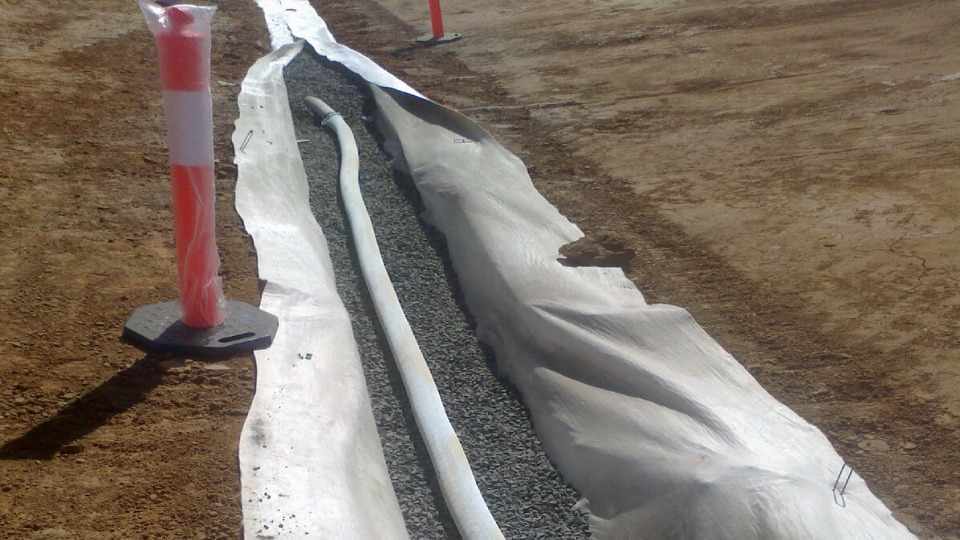
construction of drains
Drain Construction for Reliable Surface and Groundwater Control
Standing water, soggy lawns, and recurring damp patches around a property are more than an inconvenience. Poor drainage can undermine foundations, damage paving, reduce the usable area of your outdoor space, and create slippery, unsafe walkways. Our drain construction service is designed to move water away efficiently, using proven methods and durable materials suited to local ground conditions.
We build new drainage systems and replace failing runs for homes, businesses, and shared developments. Every job starts with a clear plan that considers where water comes from, where it should go, and how to keep the system working for years with minimal maintenance.
What We Build and When You Might Need It
Drain construction covers a range of solutions, from discreet channels along patios to larger underground pipe runs that intercept groundwater. We recommend the right approach after assessing levels, soil type, and the likely water volume during heavy rainfall.
Common drainage installations
- French drains using perforated pipe and clean stone to relieve saturated ground
- Channel drains for driveways, patios, and entrances where water sheets across hard surfaces
- Soakaways where ground conditions allow controlled infiltration away from buildings
- Catch basins and gully pots to collect runoff and prevent debris entering pipework
- Downpipe connections to route roof water safely to an approved discharge point
If you are also improving outdoor levels, paving, or planting, drainage should be planned together with your wider landscaping services to avoid costly rework later.
Our Process: From Site Check to Finished Installation
Good drainage is all about correct falls, correct sizing, and correct placement. We take a practical approach and explain options in plain language so you can choose what suits your property and budget.
1. Site assessment and diagnosis
We identify the source of water, how it travels, and where it pools. This may include checking existing drains for blockages or collapse, reviewing downpipe outlets, and examining ground conditions that can cause water to sit on the surface.
2. Design and setting out
We mark out the route, depths, and discharge point. Where required, we coordinate with other works such as hard landscaping services so drainage lines are protected beneath paths, patios, and driveways and finished levels look right.
3. Excavation and ground preparation
Trenches are excavated to the specified depth and gradient. We protect nearby structures and take care around services. In soft ground, we stabilise the base and use geotextile membranes where needed to reduce silt migration into stone and pipework.
4. Installation and connection
We install pipework, channels, traps, and inspection points as appropriate. Joints are sealed and aligned to maintain flow. Where a soakaway is used, we build it with clean aggregate and suitable containment to encourage infiltration while keeping fines out.
5. Testing, backfilling, and reinstatement
Before we close trenches, we test water flow and confirm that falls are correct. Backfill is compacted in layers, and surfaces are reinstated as agreed. We leave the site tidy and explain what to watch for during the first heavy rainfall.
Quality, Safety, and Long Term Performance
A drainage system is only as good as the details. We use robust materials and build with maintenance in mind so you can access key points if cleaning is ever needed.
- Correct gradients to prevent standing water and reduce sediment build up
- Thoughtful positioning to intercept water before it reaches buildings or high traffic areas
- Clean stone and filtration layers to support flow and reduce clogging in French drains
- Access points such as rodding eyes or inspection chambers where appropriate
- Neat finishes that integrate with lawns, paving, borders, and planting
Drainage often works best as part of a full outdoor upgrade. If you are planning lawns, beds, or new layouts, we can align the drainage build with garden design services so water management supports a healthier, more usable space.
Pricing and What Affects the Cost
Drain construction pricing depends on the type of system and the site conditions. After an assessment, we provide a clear quote outlining the proposed solution and what is included.
- Length and depth of runs and the required pipe diameter
- Soil conditions and ease of excavation
- Need for channels, basins, chambers, or soakaways
- Surface reinstatement such as gravel, paving, turf, or concrete
- Access limitations and disposal of excavated material
If you are unsure what you need, we can start with a practical site visit and recommend a solution that targets the cause of the problem, not just the symptoms.
To book drain construction or request an assessment, contact our team and we will arrange a convenient time to review the site and propose a durable drainage solution that keeps your property dry and safe.
FAQ
How do I know if I need a French drain or a channel drain?
French drains suit soggy ground and areas where water is sitting in soil, while channel drains are best for hard surfaces like driveways and patios. A site check of levels and water flow will confirm which system will work best.
Will you need to dig up my entire garden to install new drains?
In most cases, no. We excavate only the trenches and collection points required for the design, then reinstate the affected areas. We also plan routes to minimise disruption to lawns, borders, and access paths.
Where does the water go after you install the drains?
Depending on the property, water may be directed to a soakaway, an existing storm line, or another approved discharge point. We choose the safest option based on ground conditions, available falls, and local requirements.