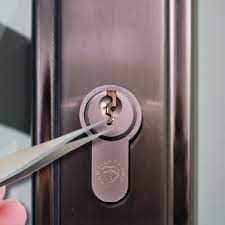
Removing a broken key in the lock
Removing a Broken Key From a Lock
A key that snaps inside a lock can stop your day in seconds. You might be locked out of your home, unable to secure your office, or stuck with a car door or ignition that will not turn. Trying to force the lock or fish the key out with random tools often makes things worse, pushing fragments deeper and damaging the cylinder.
We provide fast, careful broken key removal that protects your lock whenever possible. Our goal is to extract the fragment cleanly, restore smooth operation, and make sure you have a reliable key solution moving forward. Whether the break happened in a front door, a patio lock, a mailbox, a padlock, or an ignition, we bring the right tools and experience to solve it safely.
What Causes Keys to Break in Locks
Most broken keys are a symptom of wear, misalignment, or force. Over time, keys thin out and develop tiny cracks, especially near the shoulder. If the lock is stiff or the door is not aligned, you end up twisting harder than usual, and that extra torque can snap the blade. Cold weather, dirt inside the cylinder, and old lubrication can also increase resistance.
Common warning signs include a key that needs jiggling, a lock that only turns with pressure on the door, or a key that feels rough when inserted. If you have experienced any of these issues, arranging lock repair services early can prevent a sudden break and reduce the risk of being locked out.
- Worn keys with rounded teeth or hairline cracks
- Sticking cylinders caused by dirt, corrosion, or poor lubrication
- Door misalignment that puts side load on the key while turning
- Incorrect or copied keys that do not match the lock precisely
- Forceful turning during a lockout or when the key is not fully inserted
Our Broken Key Removal Process
Broken key extraction is not just pulling out metal. It is a controlled procedure that depends on the lock type, the location of the break, and whether the key fragment is lodged behind the pins. We start by checking the cylinder position, the depth of the fragment, and any visible damage to the keyway. Then we choose the safest method to remove the piece without harming internal components.
Specialist extraction tools and techniques
We use purpose made extractors, keyway lighting, and non destructive methods whenever possible. In many cases, we can remove the fragment without dismantling the lock. If the lock needs to be taken off the door to work safely, we do so carefully and refit it properly.
- Inspect the lock condition and identify the fragment position
- Stabilise the cylinder and reduce tension on the pins
- Extract the fragment using the correct tool for the keyway
- Test turning, latching, and smooth insertion with a working key
- Recommend next steps, such as a replacement key or cylinder service
Once the piece is removed, we check for the cause of the break. If the lock is still stiff or the door is dragging, we address that underlying issue to reduce the chance of a repeat failure.
When Extraction Is Not Enough
Sometimes the key breaks because the lock is already failing. If internal parts are worn, bent, or corroded, the cylinder may bind even after the fragment is removed. In these cases, we will explain your options clearly, including repair, rekeying, or replacement based on security and cost.
- Lock cylinder replacement if the core is damaged or unreliable
- Rekeying locks if you want the old broken key rendered useless
- Lock replacement for severely worn hardware or upgraded security
- Key cutting when the remaining key is worn and needs a fresh copy
If you are dealing with an urgent lockout, we can combine extraction with lockout services so you regain access and end up with a working lock that you can trust.
Residential, Commercial, and Automotive Support
Broken keys happen everywhere, not just at front doors. We remove snapped keys from mortice locks, euro cylinders, rim cylinders, window locks, garage side doors, and padlocks. For business properties, we can handle office doors, shutters, and access points where downtime affects staff and customers. If your system is keyed alike or master keyed, we take extra care to preserve your keying plan.
For vehicles, a key can break in the door lock or ignition. Extraction in an ignition needs a careful approach to avoid damage to wafers and steering lock components. If your car key is worn or the blade has cracked, we can guide you on the best next step, including replacement keys when needed.
When you need fast assistance at your location, a mobile locksmith can bring the right extraction tools, replacement parts, and key solutions in one visit.
What to Do Immediately After a Key Breaks
Your actions in the first minute can determine whether the lock remains repairable. Avoid pushing the fragment deeper or snapping it into smaller pieces.
- Stop turning the key and do not force the lock
- If a piece is protruding, do not pull with pliers unless it slides freely
- Do not spray household oils that attract dust and gum up the cylinder
- If you are locked out, keep the door closed to maintain alignment
- Call for professional help if the fragment is flush or deep in the keyway
With the right approach, most broken key incidents can be resolved quickly and without unnecessary damage. Contact us to arrange safe extraction, restore smooth operation, and leave with a lock that works properly and a plan to prevent future breakages.
FAQ
Can I remove a broken key from a lock myself?
If a large piece is sticking out and slides easily, gentle removal may work. If the fragment is flush or the lock is under tension, DIY attempts often push it deeper or damage the cylinder. It is safer to stop turning the lock and get professional extraction.
Will you need to replace my lock after extracting the key?
Not always. If the cylinder is in good condition, we can usually extract the fragment and restore normal operation. If the lock is worn, stiff, or internally damaged, we may recommend rekeying or cylinder replacement to prevent another break.
How long does broken key extraction take?
Many extractions can be completed in minutes once we can access the lock. Time varies based on how deep the fragment is, the lock type, and whether the cylinder must be removed. After extraction, we also test the lock and check for the cause of the break.