Noise insulation
Noise Insulation
Unwanted noise can quickly turn a home or workplace into a stressful space. Our noise insulation service is designed to reduce sound transmission between rooms, floors, and neighboring properties, so you can sleep, work, and relax with fewer interruptions. We focus on practical solutions that fit your building type, your budget, and the level of sound reduction you actually need.
Where Noise Comes From and How We Stop It
Effective soundproofing starts with understanding how sound travels. Airborne noise includes voices, music, and TV sound moving through gaps and lightweight partitions. Impact noise comes from footsteps, moving chairs, and vibrations that travel through the structure. Most properties have a mix of both, which is why one product alone rarely solves the whole problem.
We reduce noise by combining proven methods.
- Sealing to close leaks around sockets, skirting, door frames, and service penetrations, since small gaps can let surprising amounts of sound through.
- Adding mass using denser layers to help block airborne sound.
- Decoupling to break the direct path of vibration through walls and ceilings.
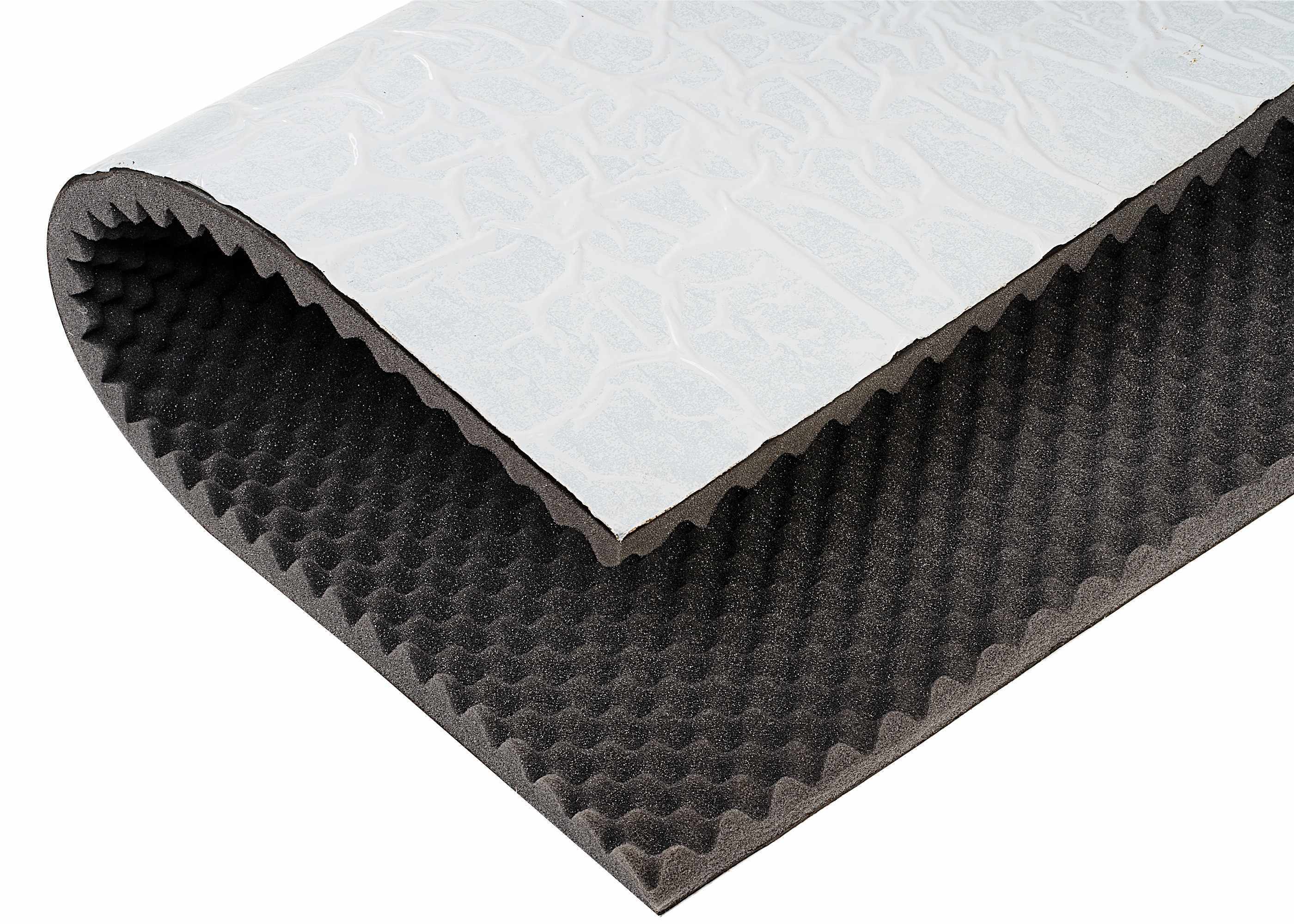
- Absorption using specialist acoustic insulation to reduce resonance and echo inside cavities.
Many noise issues are tied directly to how partitions and ceilings are built. If your project includes layout changes or upgrades, we can coordinate noise insulation with wall and ceiling construction so the structure and acoustic performance work together from day one.
Our Noise Insulation Solutions
Soundproofing for Walls and Partitions
Party walls and internal partitions are common weak points, especially in apartments and older homes. We can improve performance by upgrading the wall build up with acoustic insulation, resilient layers, and better sealing at edges and junctions. If you are adding new rooms, we can specify acoustic upgrades for interior partition installation so privacy is built in, not patched later.
Ceiling and Floor Noise Reduction
Footstep noise from above is one of the most frequent complaints in multi level buildings. Depending on access and the existing structure, we can install acoustic ceiling systems that reduce impact and airborne noise. Typical measures include decoupled ceiling assemblies, acoustic infill, and careful detailing around light fittings and hatches. We also advise on floor level improvements when appropriate, such as underlay upgrades and junction sealing.
Doors, Windows, and Flanking Paths
Noise does not always travel straight through a wall. It often finds an easier route around it, known as flanking transmission, via corridors, ceiling voids, or poorly sealed openings. We address these details with improved door seals, acoustic thresholds, secondary glazing options where relevant, and sealing of service routes. This attention to weak points is often what turns an average result into a noticeable, comfortable difference.
How the Service Works
We keep the process clear and disruption as low as possible. Every building is different, so we start with the facts on site rather than assumptions.
- Site visit and noise assessment to identify the main noise type, transmission path, and the areas that matter most to you.
- Recommendation and quotation with options that balance cost, finish, and the level of performance.
- Preparation and protection including dust control measures and careful planning around electrics, lighting, and access.
- Installation using compatible layers, correct fixings, and sealed joints to maintain the acoustic system.
- Final checks to confirm finish quality and to make sure common leakage points are properly treated.
Where noise insulation involves rebuilding or altering surfaces, we can combine the work with drywall ceiling installation or partition upgrades for a cleaner result and a single coordinated schedule.
What You Can Expect
Soundproofing is about managing expectations and delivering measurable comfort. While no method makes a space perfectly silent, the right combination of treatments can significantly reduce voices, TV sound, and everyday activity noise. You can expect honest advice on what is achievable in your property, transparent costs, and workmanship that prioritizes airtightness, correct layering, and a neat finish ready for painting or final decoration.
If you are dealing with noisy neighbors, busy streets, or a home office that needs privacy, we will help you choose an approach that targets the real cause of the problem and improves daily living.
FAQ
How do I know if I need wall soundproofing or ceiling soundproofing?
If you hear voices, TV, or music clearly through a boundary wall, the issue is usually airborne noise through walls or gaps. If the main problem is footsteps or moving furniture from above, ceiling and floor impact noise control is typically needed. A site visit helps pinpoint the main path and avoid spending on the wrong fix.
Will noise insulation reduce sound in both directions between rooms?
Yes, improving a wall or ceiling assembly usually reduces transmission both ways because the sound path is shared. The result depends on sealing and correct installation, since small openings can undermine performance. We focus on junctions, sockets, and service penetrations to prevent sound leaks.
Can you soundproof a room without removing existing finishes?
In many cases, we can add an independent layer over the existing wall or ceiling, which limits demolition. This approach can slightly reduce room size, but it often provides strong improvement with less disruption. We will recommend the least invasive option that still meets your goals.