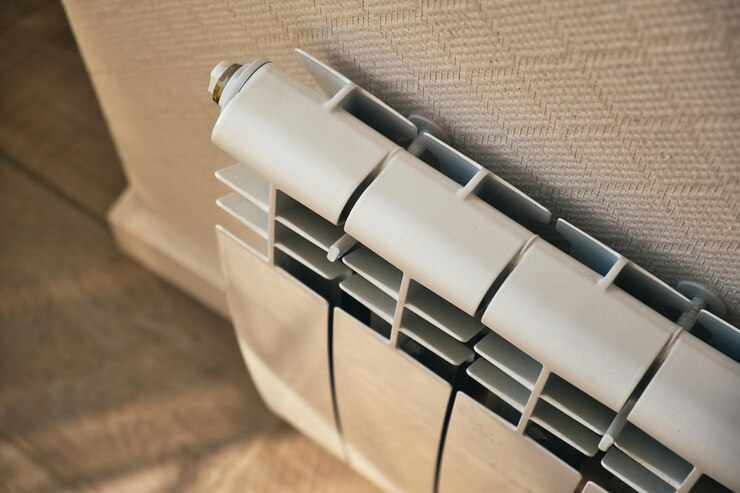
emergency removal of leaks from radiators and pipelines
Emergency Radiator and Pipeline Leak Removal
A leaking radiator or pipe can escalate fast. One small drip can turn into soaked floors, damaged plaster, electrical hazards, and costly downtime. Our emergency team responds quickly to locate the source, stop the leak safely, and reduce damage to your property.
We handle common issues like pinhole leaks, failed joints, cracked valves, corroded sections, and sudden pressure related ruptures. Whether the problem is in a heating radiator, hot or cold water line, or concealed pipework, we arrive prepared to isolate the system and carry out a reliable repair.
What We Do During an Emergency Callout
Every leak is different, so we follow a clear process that prioritizes safety and speed. The goal is to stop water loss immediately, then restore your system with a durable fix rather than a temporary patch.
- Immediate isolation and safety checks. We shut off the correct valves, assess pressure, and confirm the safest way to work around electrics, boilers, and vulnerable surfaces.
- Leak locating and diagnostics. We inspect visible pipe runs, radiator connections, and valves, then narrow down hidden issues using practical diagnostics and methodical tracing.
- On the spot repairs. Depending on the fault, we replace seals, repair fittings, reseat or replace valves, cut out damaged pipe, or install new sections to remove the leak source.
- System recovery. We repressurize and test, bleed radiators where required, and verify stable operation before we leave.
If you need broader support beyond a single repair, we can coordinate follow up emergency plumbing services to address underlying issues like pressure instability, aging pipework, or repeated valve failures.
Radiator Leak Repairs
Radiator leaks often appear at the valve tails, bleed valve, end caps, or at corroded panels. In some homes the radiator itself is sound, but the fittings have loosened due to thermal expansion and contraction over time. In other cases, internal corrosion creates weak points that split once the heating cycle ramps up.
Common radiator leak causes we fix
- Loose compression joints and worn olives
- Faulty thermostatic radiator valves and lockshield valves
- Leaking bleed valves or damaged threads
- Corrosion at the bottom edges of older radiators
- Pressure related seepage after boiler top ups
Where possible we repair the connection and confirm a watertight seal under normal operating pressure. If the radiator body is failing, we can advise on replacement options and arrange related plumbing installation services to ensure compatible sizing, correct balancing, and clean system performance.
Pipeline Leak Removal and Burst Pipe Response
Pipeline leaks range from slow weeps to sudden failures. A hidden drip behind a wall can quietly rot timber and plaster, while a burst pipe can flood rooms in minutes. We respond to both scenarios, with a focus on stopping flow and preventing repeat failures.
How we handle pipeline leaks
- Confirm the supply route. We identify which line is affected, such as mains cold feed, hot water distribution, or heating flow and return.
- Control pressure. We isolate, drain down where necessary, and prevent backflow so the repair area stays stable.
- Remove the damaged section. We cut out compromised pipework, damaged joints, or corroded fittings.
- Rebuild with the correct materials. We use suitable fittings for the pipe type and location, and ensure secure support to prevent movement and stress.
- Pressure test and verify. We check for drops in pressure, inspect all nearby joints, and confirm normal function before restoring full service.
We can also provide guidance on prevention, including insulation in vulnerable areas, valve upgrades, and routine checks. For ongoing support, ask about our plumbing maintenance services designed to reduce the risk of recurring leaks and emergency shutdowns.
Residential and Commercial Support
Leaks do not respect schedules. We assist homeowners, landlords, retail units, offices, and light industrial sites with urgent leak removal and repairs. In residential settings we work carefully to protect floors, skirting, and finishes. In commercial properties we focus on safe isolation, minimizing downtime, and restoring essential services quickly.
- Homes and apartments. Radiators, kitchen and bathroom pipework, and concealed lines under floors.
- Landlords and property managers. Fast response and clear documentation of the issue and repair performed.
- Businesses. Support for plant rooms, staff areas, customer spaces, and heating distribution lines.
What You Can Do While Waiting for Help
Quick actions can reduce damage before we arrive. If it is safe, turn off the water supply at the stopcock, switch off the heating system, and place towels or a container to catch water. Keep electrical appliances away from wet areas, and avoid opening ceilings or walls unless you are confident it is safe to do so.
When you contact us, share where the leak is visible, whether it is heating or fresh water, and any signs of pressure loss. With that information we can prepare the right parts and respond efficiently. Our priority is to remove the leak, protect your property, and leave you with a repair you can trust.
FAQ
What should I do first if a radiator starts leaking?
Turn off the heating and close the radiator valves if you can do so safely, then place towels or a container under the leak. If the leak is heavy, shut off the main water supply and call for emergency repair to prevent further damage.
Can you fix a leaking pipe without replacing the whole line?
In many cases, yes. We typically isolate the system, remove only the damaged section or failed fitting, and install a new piece with proper connectors. We then pressure test to confirm the leak is fully resolved.
How do you know if the leak is from the radiator valve or the radiator body?
We inspect the valve connections, bleed point, and end caps first, then dry and monitor the area while the system is pressurized. If the leak originates from panel corrosion or a seam, the radiator body is usually the cause and replacement may be recommended.