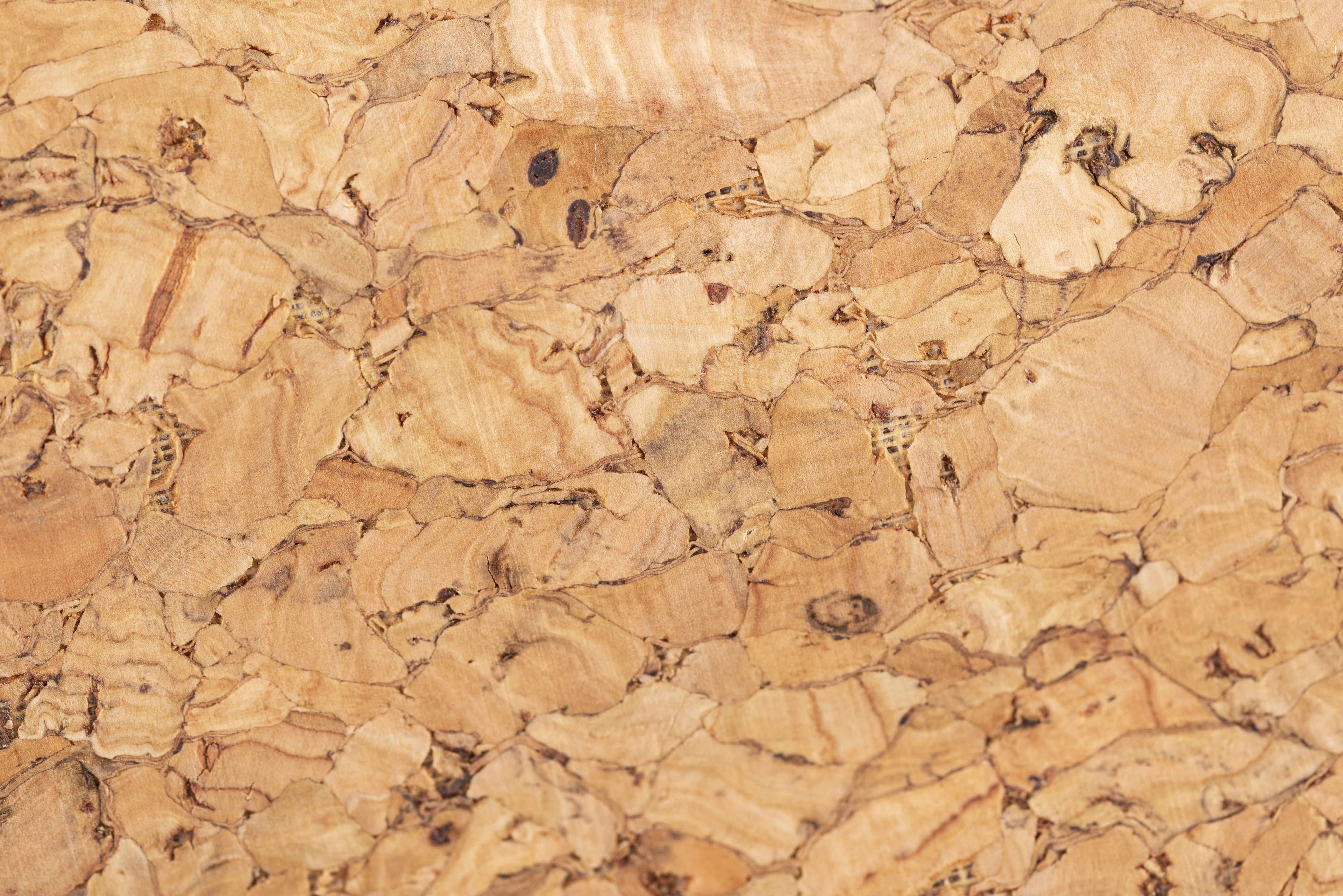
Installation of cork parquet
Installation of cork parquet
Cork parquet is a warm, quiet, and comfortable floor choice that suits homes and many light commercial spaces. It offers natural resilience underfoot, helps reduce noise, and brings a distinctive look that ranges from classic tiles to modern plank patterns. To get the best performance from cork, the installation must be precise, especially around moisture control, expansion gaps, and adhesive selection.
Our cork parquet installation service covers everything from assessing the base floor to fitting and finishing, so the surface looks great and stays stable over time. We work carefully to protect your property, keep the site tidy, and deliver a result that feels solid and even across the whole room.
Why choose cork parquet
Cork is made from a renewable material and is valued for comfort and everyday practicality. It naturally compresses and recovers, which makes it pleasant to walk on and helpful in rooms where you stand for long periods. Cork also dampens impact sound, making it a popular option for apartments, bedrooms, and family living areas.
- Comfort and warmth that feels softer than many hard surfaces.
- Noise reduction that helps limit footfall and room echo.
- Design variety with different patterns, stains, and edge details.
- Easy upkeep when sealed and maintained correctly.
If you are comparing materials or planning a broader renovation, you can also explore our floor covering services to see options and service scopes for different rooms and budgets.
Our cork parquet installation process
Site check and planning
Every job starts with a practical inspection. We check the room layout, door clearances, thresholds, and the condition of the subfloor. We also discuss how the space is used, for example busy hallways versus quiet bedrooms, because wear expectations can influence the cork type and finish system.
Moisture is a key factor. We assess the subfloor moisture level and identify risks such as damp patches, underfloor heating settings, or recent screed work. Where needed, we recommend appropriate primers, barriers, or curing time before installation begins.
Subfloor preparation for a flat, stable base
Cork parquet needs a smooth and even surface. Any dips, ridges, old adhesive, or loose boards can telegraph through and affect bonding. Preparation may include cleaning, sanding high spots, filling minor defects, and applying leveling compound where necessary.
- Removal of debris and contaminants that reduce adhesion
- Spot repairs to cracks and weak areas
- Level checks and corrective smoothing for an even finish
- Edge planning for expansion gaps and clean transitions
Fitting, bonding, and detailing
We install cork parquet according to the product specification, using the correct adhesive and trowel size where applicable. Layout is planned to avoid narrow slivers at walls and to keep lines square to the room, especially in hallways and open plan spaces. We maintain the required expansion gap and finish the perimeter neatly for long term movement control.
Doorways, radiator pipes, and irregular corners are cut with care for a tight, professional look. Where skirting boards are being replaced or refitted, we coordinate the finish so the floor edges are protected and visually clean. If you are combining multiple rooms, we advise on thresholds and transitions to keep the flow consistent.
Sealing and final finish
Depending on the cork product, the surface may be prefinished or may require sealing after installation. A proper seal improves resistance to stains and moisture and makes routine cleaning easier. We explain the recommended curing time, when you can move furniture back, and how to protect the floor during the first days of use.
Where cork parquet works best
Cork parquet is excellent for living rooms, bedrooms, home offices, and children rooms where comfort and sound control are priorities. It can also suit light commercial areas such as boutique studios or consultation rooms when the correct product and finish are selected. For kitchens or other moisture prone zones, we will advise honestly based on the room conditions, including whether an alternative would be more suitable.
If your project includes other materials in nearby areas, our floor installation services can help coordinate a consistent finish across thresholds and adjoining rooms.
Care, maintenance, and aftercare guidance
Correct maintenance keeps cork looking rich and helps prevent premature wear. We provide practical instructions tailored to your finish system, including the right cleaning products and what to avoid. Simple habits like using felt pads, wiping spills promptly, and controlling grit at entrances make a noticeable difference.
- Dry dusting or vacuuming with a soft brush attachment
- Damp cleaning with a recommended cleaner, not excessive water
- Protective pads under furniture and careful handling of heavy items
- Periodic refresh options depending on the seal type
If you ever need updates to adjoining floors or want help with longer term upkeep, our floor maintenance services can support your space as it evolves.
What to expect when you book
We agree the scope, confirm material details, and schedule the work to fit your timeline. You will know in advance how the area should be prepared, what access we need, and how long each stage is likely to take. During the job we focus on clean edges, accurate alignment, and a durable finish that performs in daily life.
To arrange cork parquet installation, contact us with your room size, subfloor type, and any photos you can share, and we will recommend the best approach for a smooth, lasting result.
FAQ
Do I need to level the subfloor before installing cork parquet?
A flat, stable subfloor is essential because cork can show imperfections through the surface over time. We check for dips, high spots, and weak areas, then recommend smoothing or leveling where needed. Proper preparation improves adhesion and prevents movement or hollow spots.
How long should I wait before walking on a newly installed cork parquet floor?
This depends on the product type and whether adhesive and sealing were used on site. In many cases, light foot traffic is possible after the adhesive sets, but furniture should wait longer. We will confirm the safe timing based on the specific materials used.
Can cork parquet be installed in kitchens or other moisture prone rooms?
It can work in some kitchens if the subfloor is dry, the joints are well fitted, and the surface is properly sealed. However, frequent standing water and high humidity can shorten its lifespan. We assess the room conditions first and advise whether cork or another option is the safer choice.