Painting and Decorative Plasters


Painting (square meters)
15 - 60 BGN
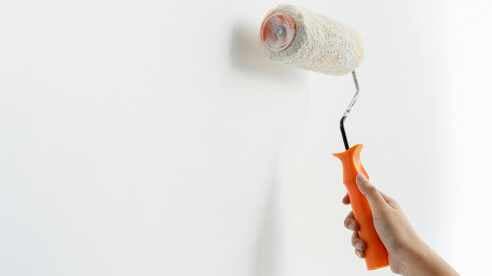
Painting with white paint
12 - 60 BGN
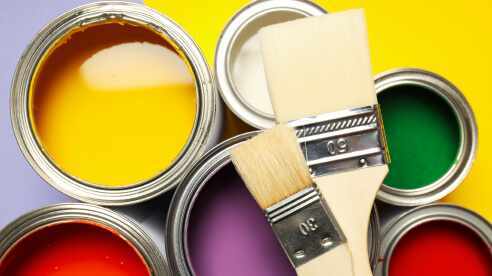
Painting with colored paint
15 - 67 BGN
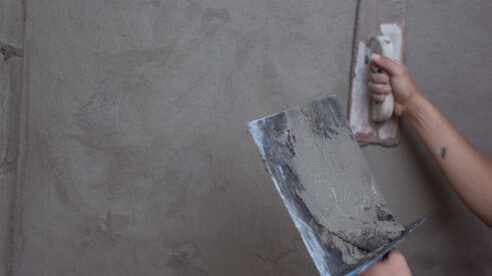
Putty and primer
15 - 74 BGN
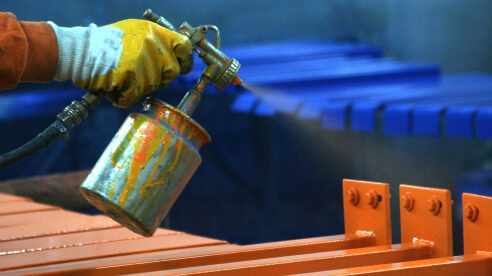
Painting ornaments
61 - 406 BGN
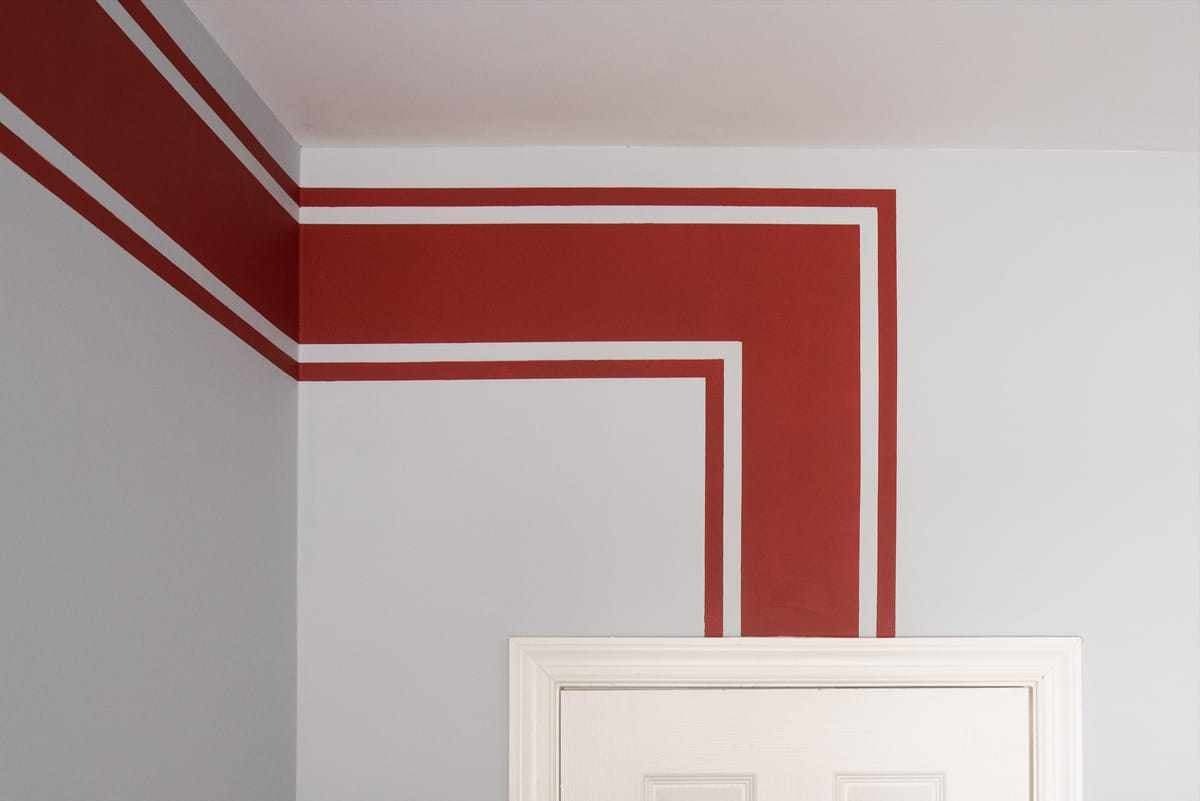
Cutting narrow strips with latex
15 - 85 BGN
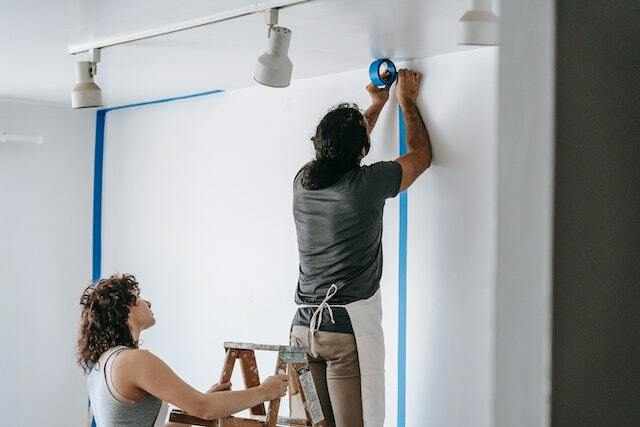
Bonding with nylon
6 - 40 BGN
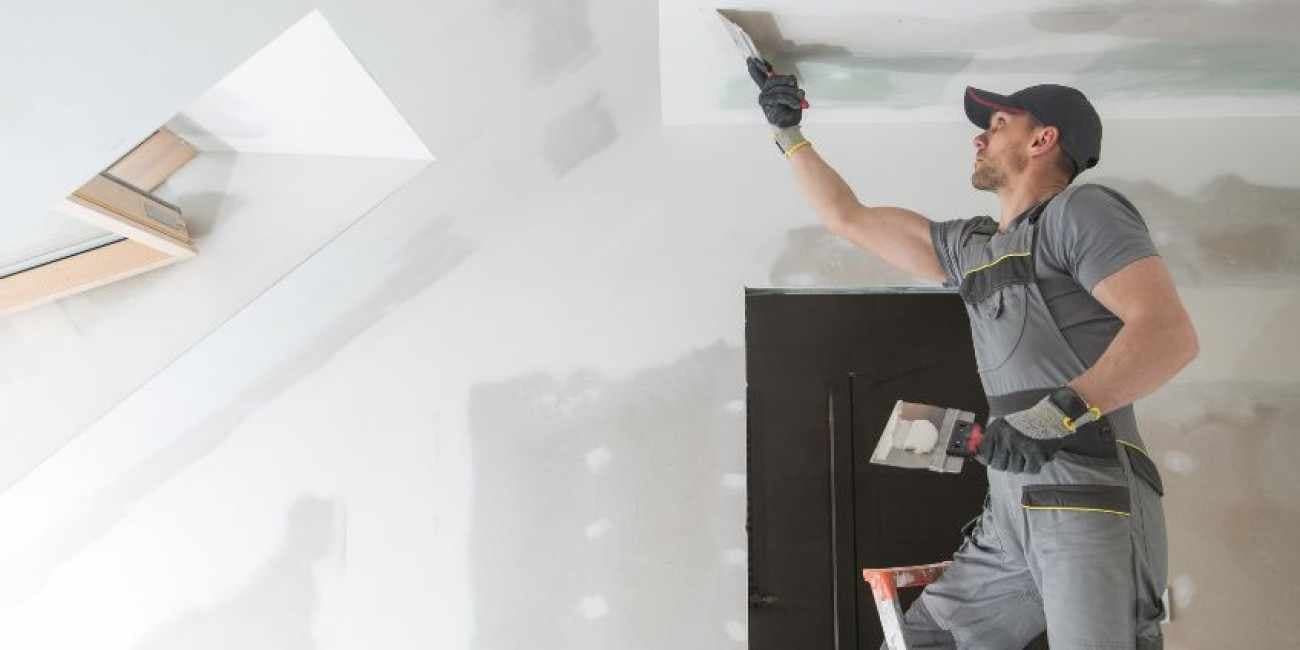
Scraping off lean paint
6 - 54 BGN
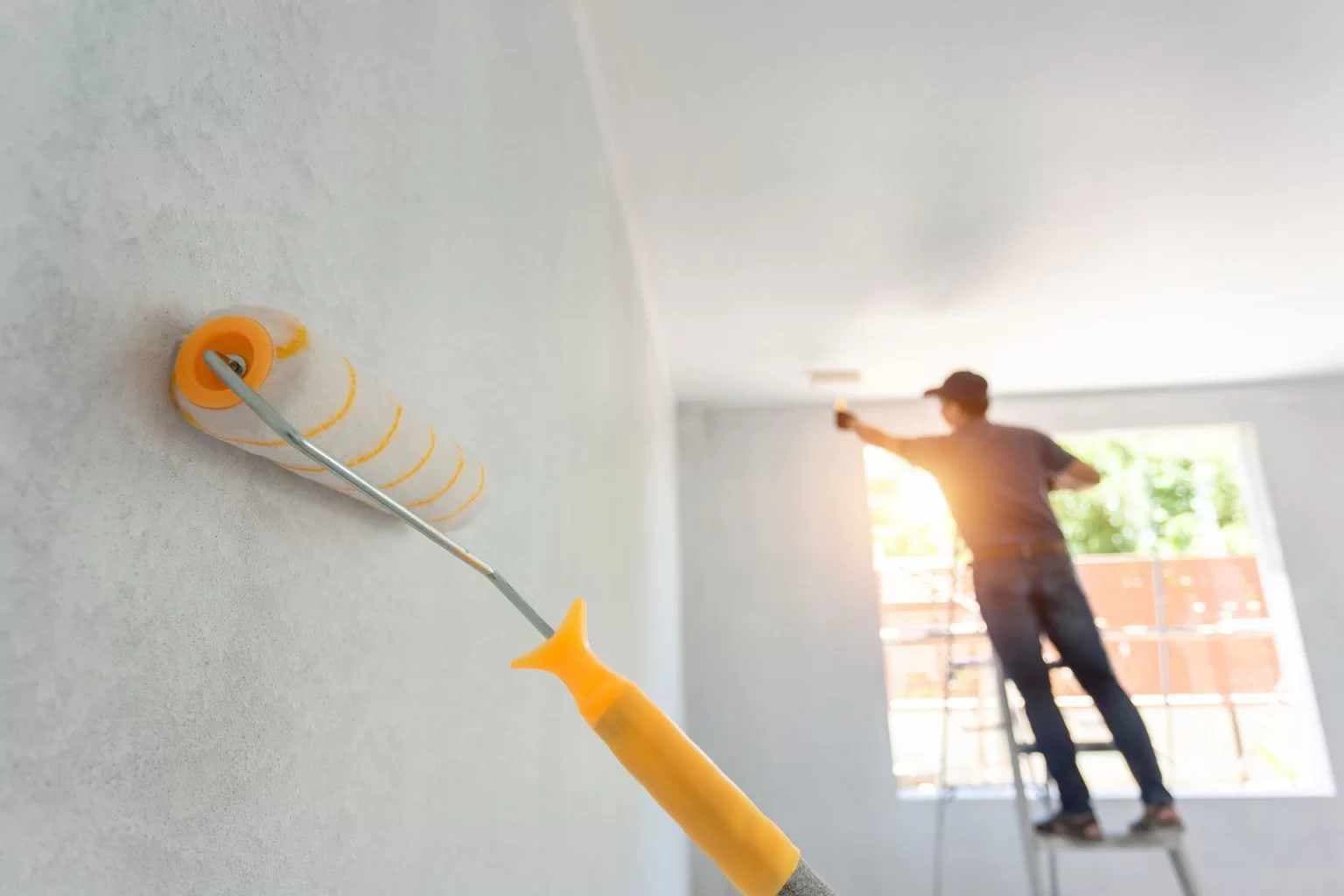
Priming
3 - 25 BGN
Painting fences and bars with light paint
18 - 60 BGN
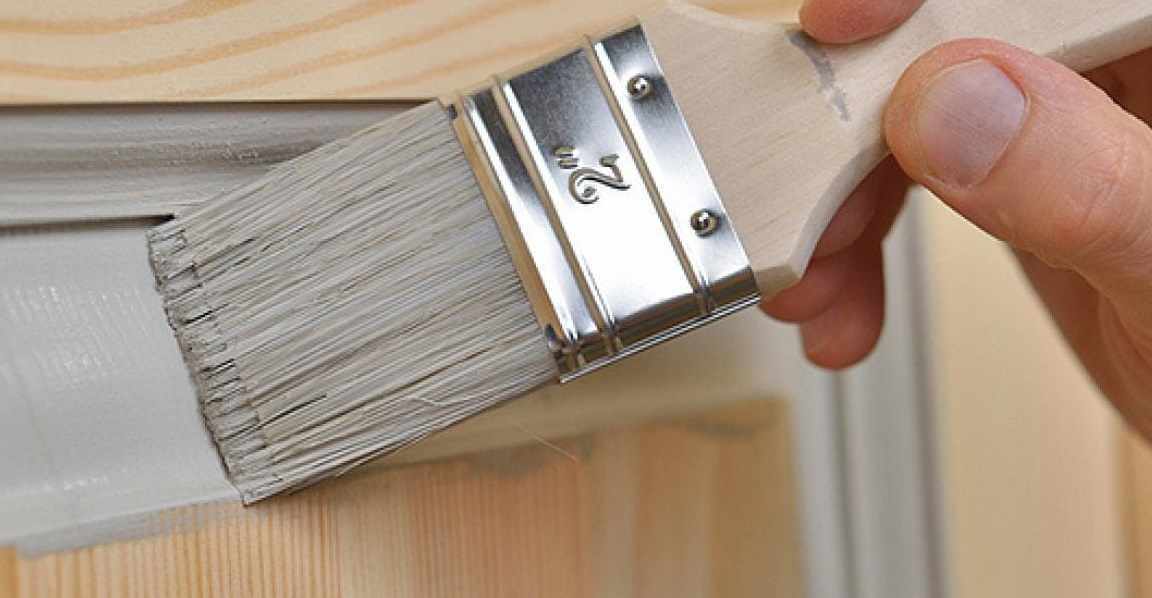
Painting with bland paint on a flat surface
15 - 74 BGN
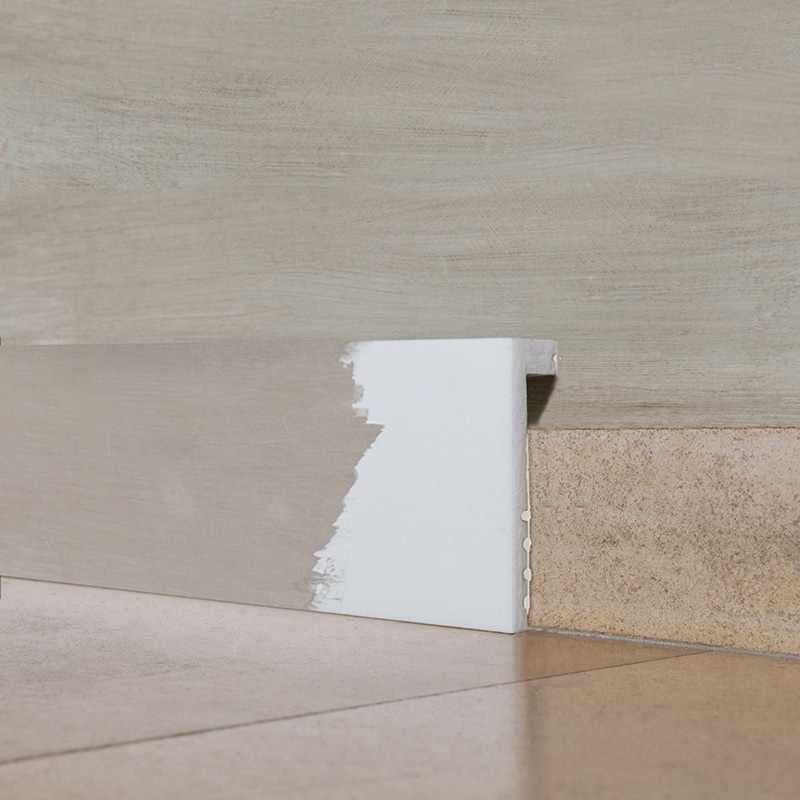
Painting plinth
15 - 58 BGN
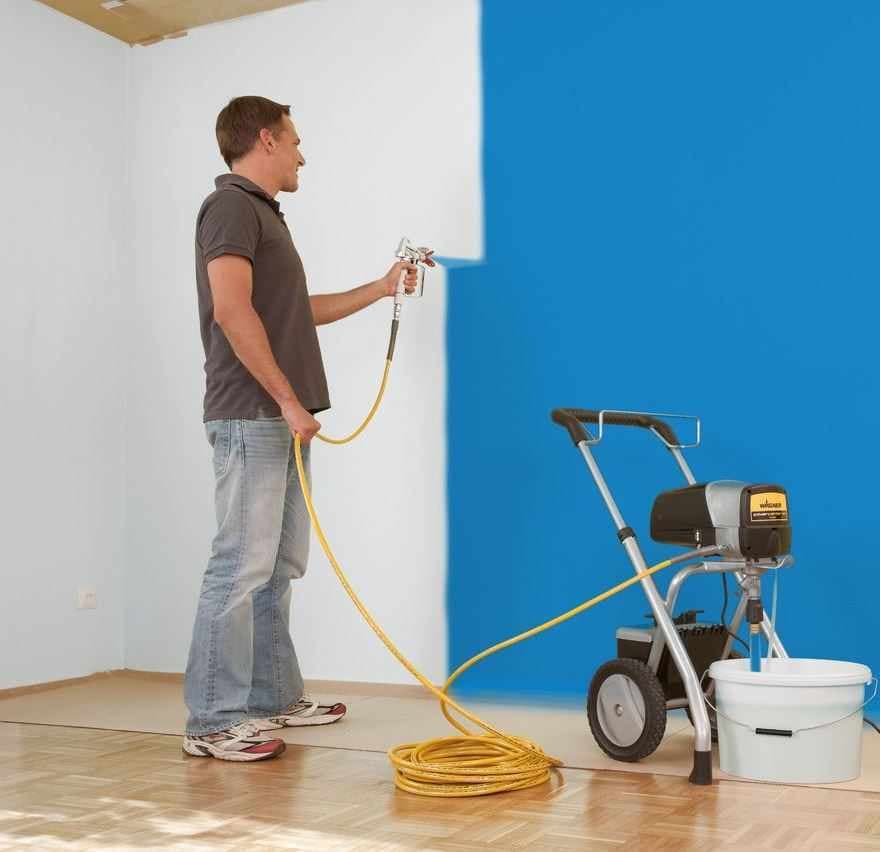
Machine painting with latex
12 - 60 BGN
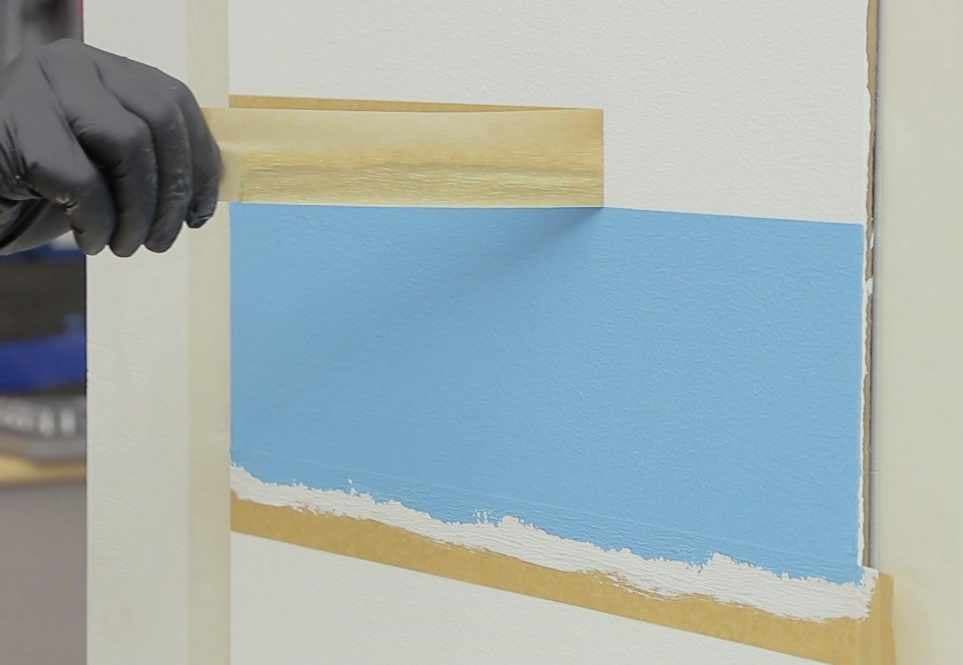
Pasting with paper tape
3 - 25 BGN
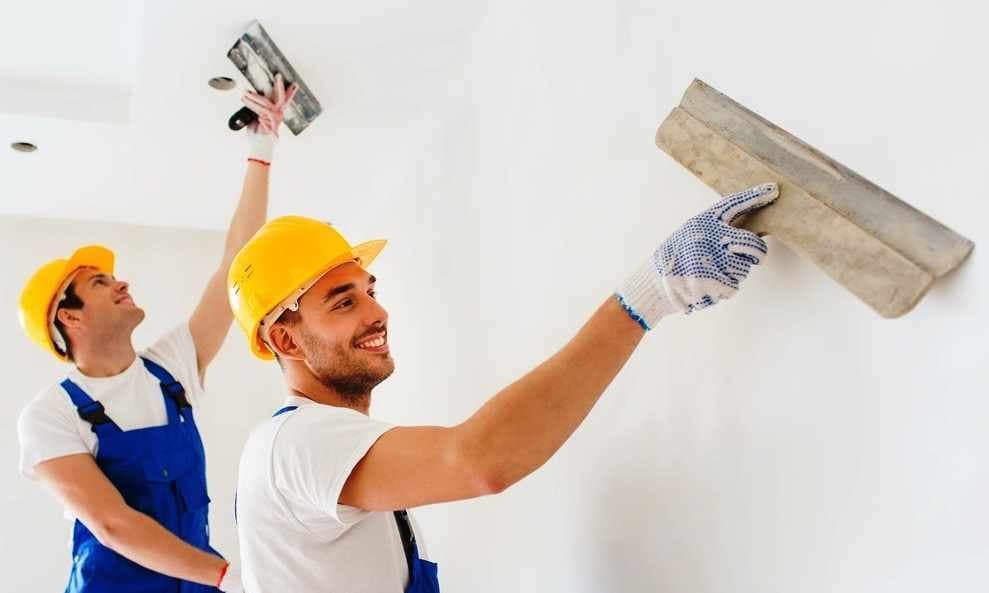
Pre-paint touch-ups and putty paint prep
15 - 85 BGN
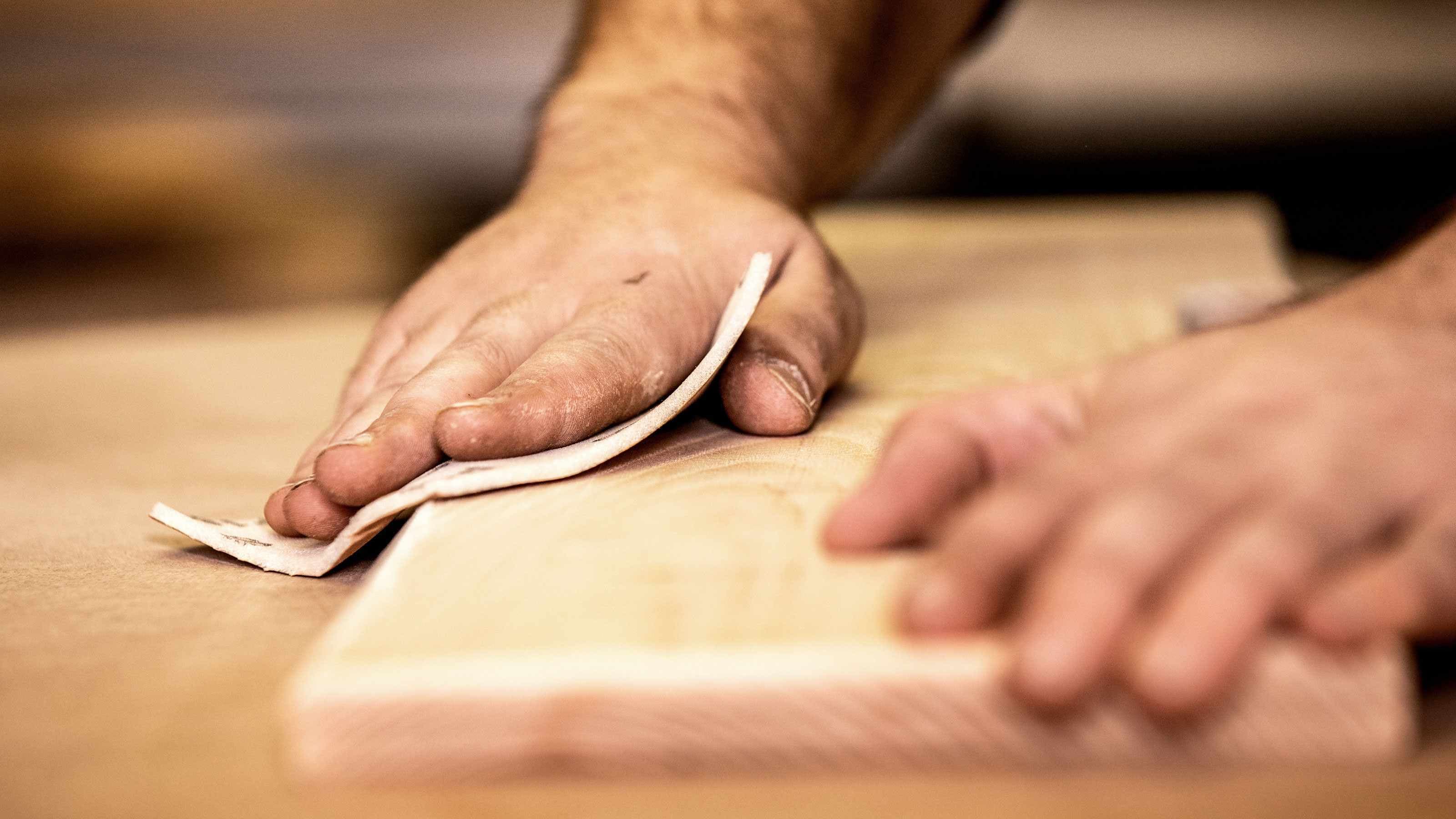
Sanding
5 - 25 BGN
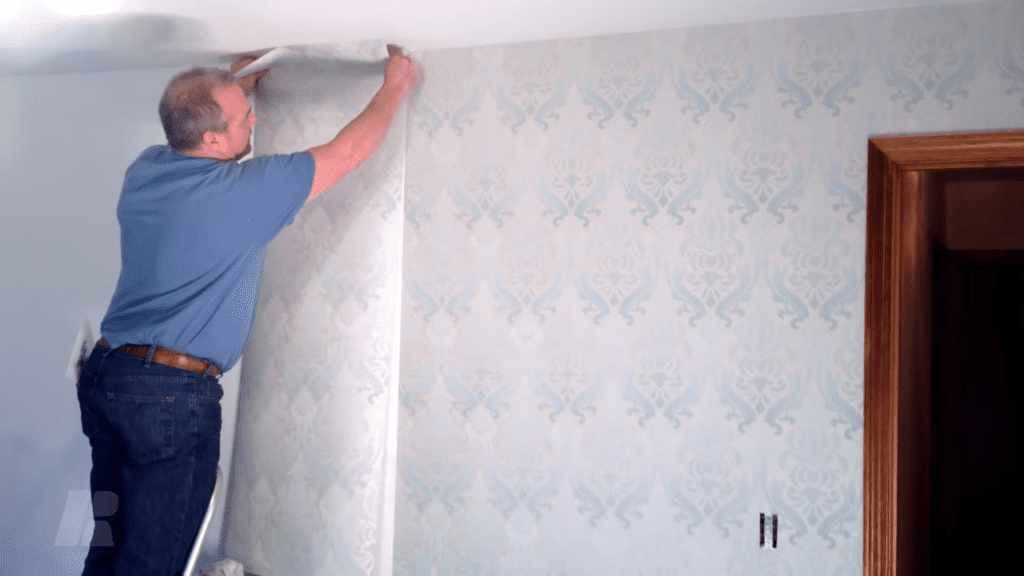
Pasting wallpaper
14 - 85 BGN
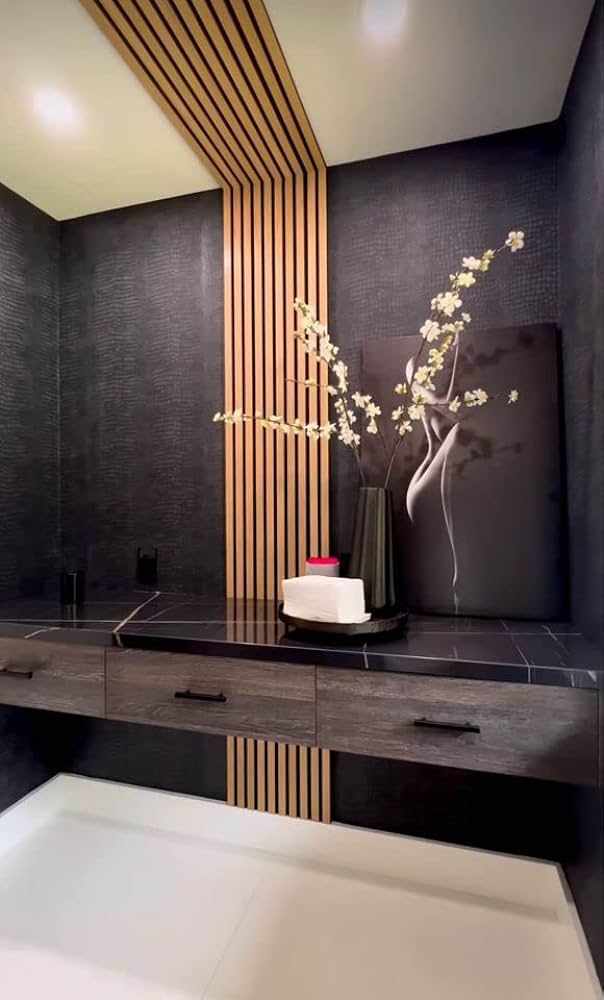
Installation of decorative PVC panels on a wall
61 - 272 BGN
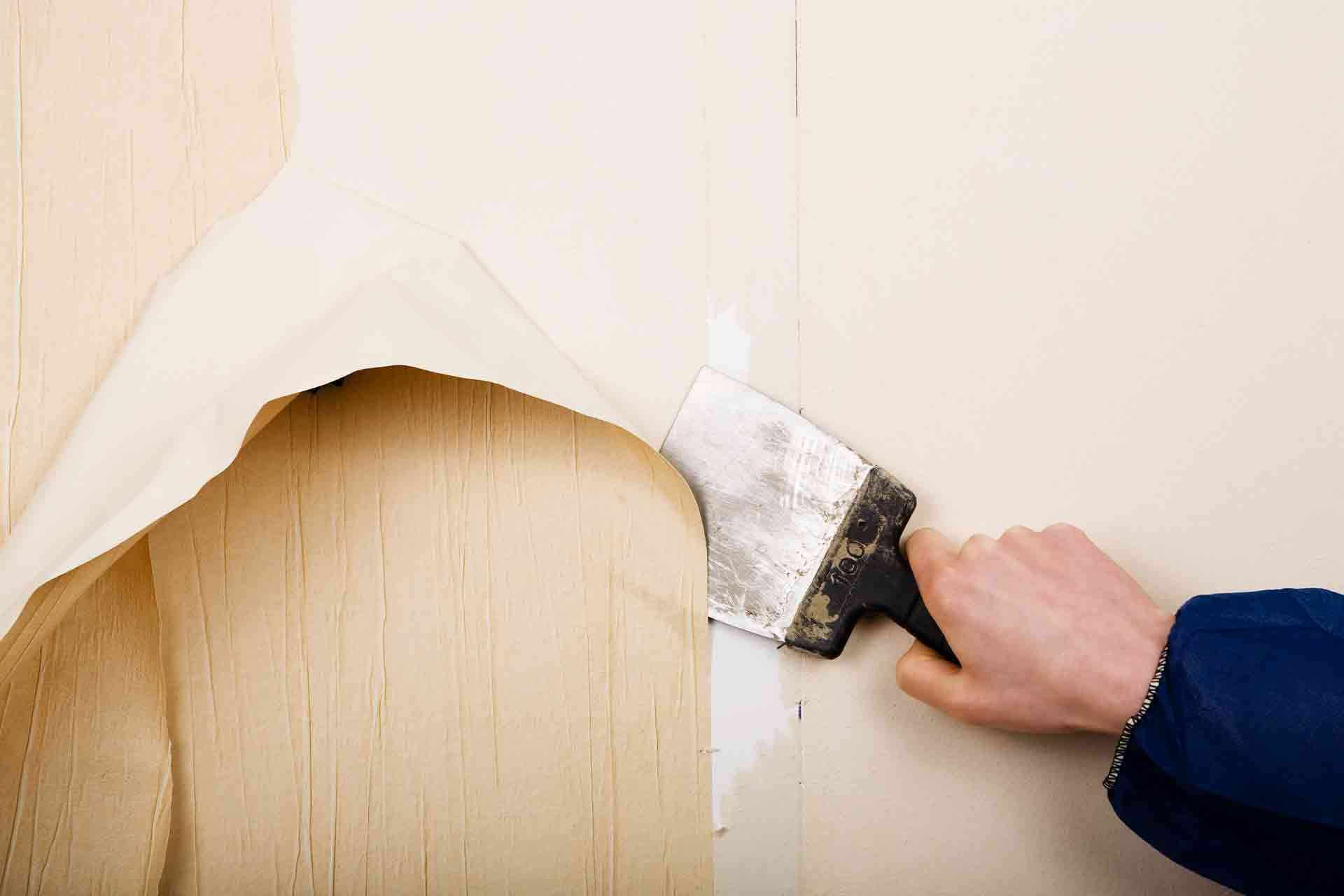
remove old wallpapers
5 - 31 BGN
Mini standard and site practice
Quality painting starts with the base. We adhere to rules for wall humidity below 4 percent, air temperature between 10 and 25 degrees, and good ventilation during application and drying. We select materials according to the space and the required wash resistance according to EN 13300 class 1 or class 2. We apply the exact coverage system according to the manufacturer in m² per liter, as well as the recommended layer thickness in micrometers. These parameters guarantee a uniform finish, stable adhesion and long life of the coating.
How we apply the standard in practice
- Substrate assessment: We check for flatness, strength, presence of chalking and old coatings.
- Preparation: Cleaning, scraping, sanding, filling defects with putty and priming to equalize absorbency.
- Sample test: We make a test application on a small area to confirm color and coverage.
- Application: Manually or mechanically, with a uniform roller and rolling in one direction for the final stroke.
- Finish control: We check coverage in daylight and artificial light, correct visible transitions.
- Handover: Cleaning, instructions for first wet cleaning and recommended refresh intervals.
Painting and decorative plaster services
- Painting square meters - Precise measurement and marking. We optimize material consumption and organize work fronts for minimal interruptions.
- Painting with white paint - Unifies the interior, increases the light in the rooms. We work with high-class coverage and low VOC for a healthy environment.
- Painting with colored paint - From pastel to saturated tones. We select a primer for shades with lower coverage to avoid streaks and stains.
- Putting - Leveling walls and ceilings in several coats. We use light control to detect waves and defects before painting.
- Painting ornaments - Fine lines, moldings and profiles. We apply with detail brushes and small rollers for an even texture.
- Cutting narrow strips with latex - Straighten borders between colors. Professionally taping and removing tape at the right time for a clean edge.
- Scraping old paint - We remove flaking layers to a solid base. We dedust and prime for new adhesion.
- Priming - Stabilizes absorbency, improves adhesion and reduces paint consumption. We choose a primer according to the base and color.
- Painting fences and grilles with blah paint - Anti-corrosion preparation, degreasing and application of a metal primer. Finishing layer with good weather resistance.
- Painting with a smooth paint on a flat surface - Smooth finish for doors and furniture. Dust control and a rolling technique without marks.
- Painting a baseboard - Wear-resistant and washable systems. We protect against dirt and mechanical shocks.
- Machined latex painting - High speed and uniformity on large areas. Shielding of areas and control of spraying for a clean execution.
- Tape wrapping - Protection of edges, skirting boards and window frames. We use tapes with appropriate adhesion so that they do not lift fresh paint.
- Pre-paint corrections and preparation with putty - Filling of holes, scratches and joints. Fine sanding for a smooth base without visible transitions.
- Sanding - Coarse and fine according to the layer. Dust removal before each subsequent coat.
- Wallpaper sticking - Choice of vinyl, textile or paper. Leveling joints and pattern alignment.
- Installation of decorative PVC panels on the wall - Wet and busy areas. Clean joints and wash resistance.
- Removing old wallpaper - Wetting, peeling and cleaning residues. Preparation for putty and new coating.
Common mistakes and how to prevent them
- Paint on an uncleaned or loose base leads to peeling. We prevent this with mechanical cleaning and primer.
- Visible joints and waves appear when leveling is not done. We solve this with systematic puttying and light control.
- Stripe from uneven rolling. We level layer by layer with a constant direction and proper dryness of the roller.
- Difference in shades between buckets. We mix the tones in a common container for a uniform color.
Benefits for the interior and durability
Professional preparation ensures a smooth texture, real color and wash resistance. In wet and busy areas, we use systems with a higher class of wear resistance and additional edge protection. Proper application and removal of the strips keeps skirting boards, window frames and flooring clean. The result is a uniform finish that looks good for years to come.
When to call a team
- For a planned major renovation or a quick refresh before moving in.
- For peeling or cracked old paint.
- For fine decorative lines, ornaments and combining several colors.
- For large areas, where machine painting saves time and ensures uniformity.