Plumbing services

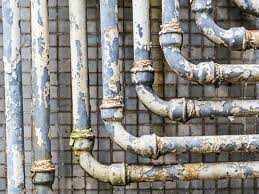
Dismantling of old pipes
12 - 103 BGN
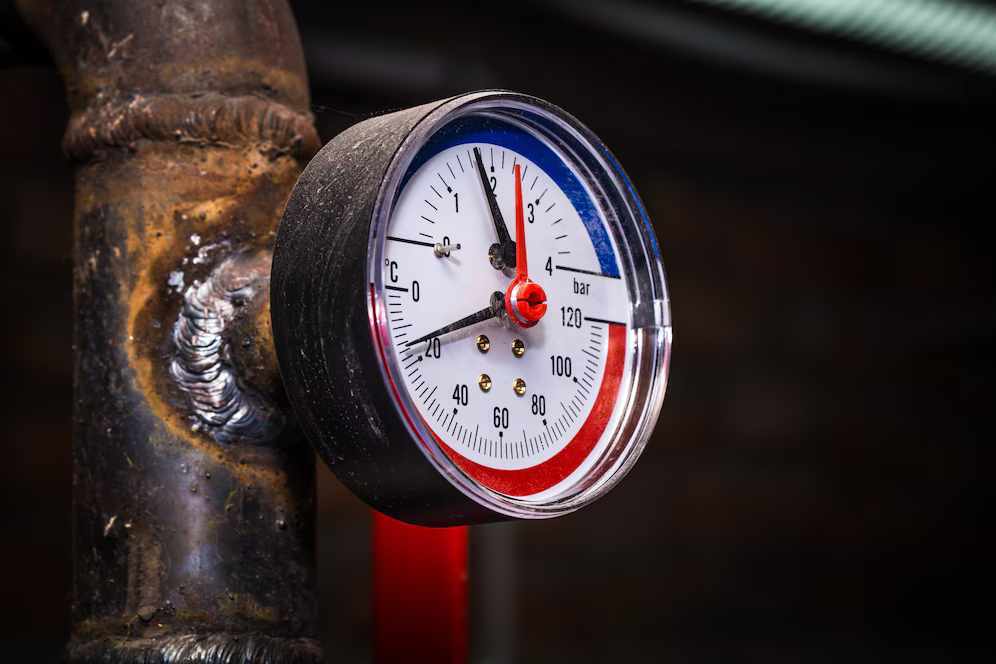
Installation and sealing of a water meter
122 - 1017 BGN
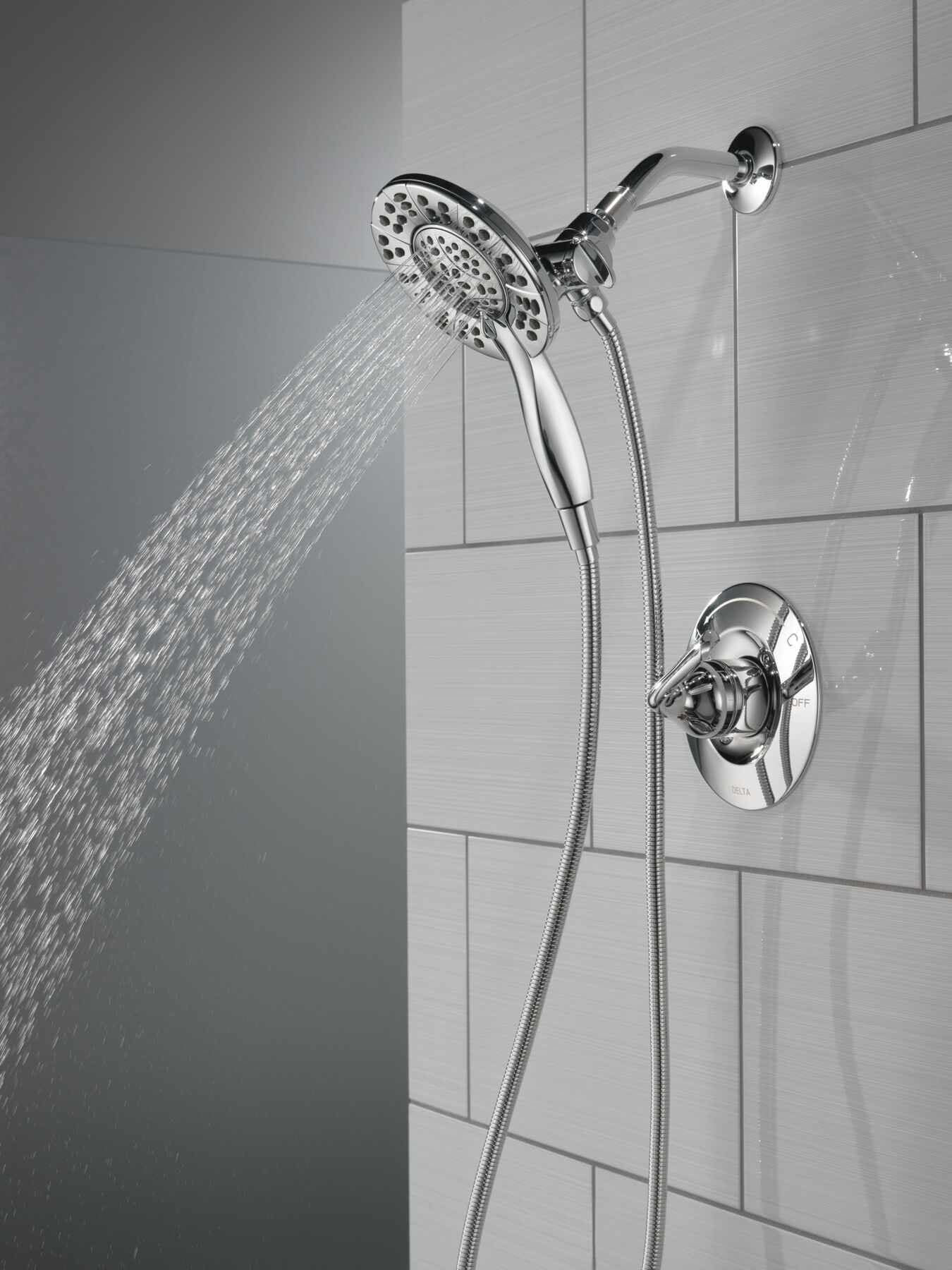
Installation of a shower faucet
122 - 847 BGN
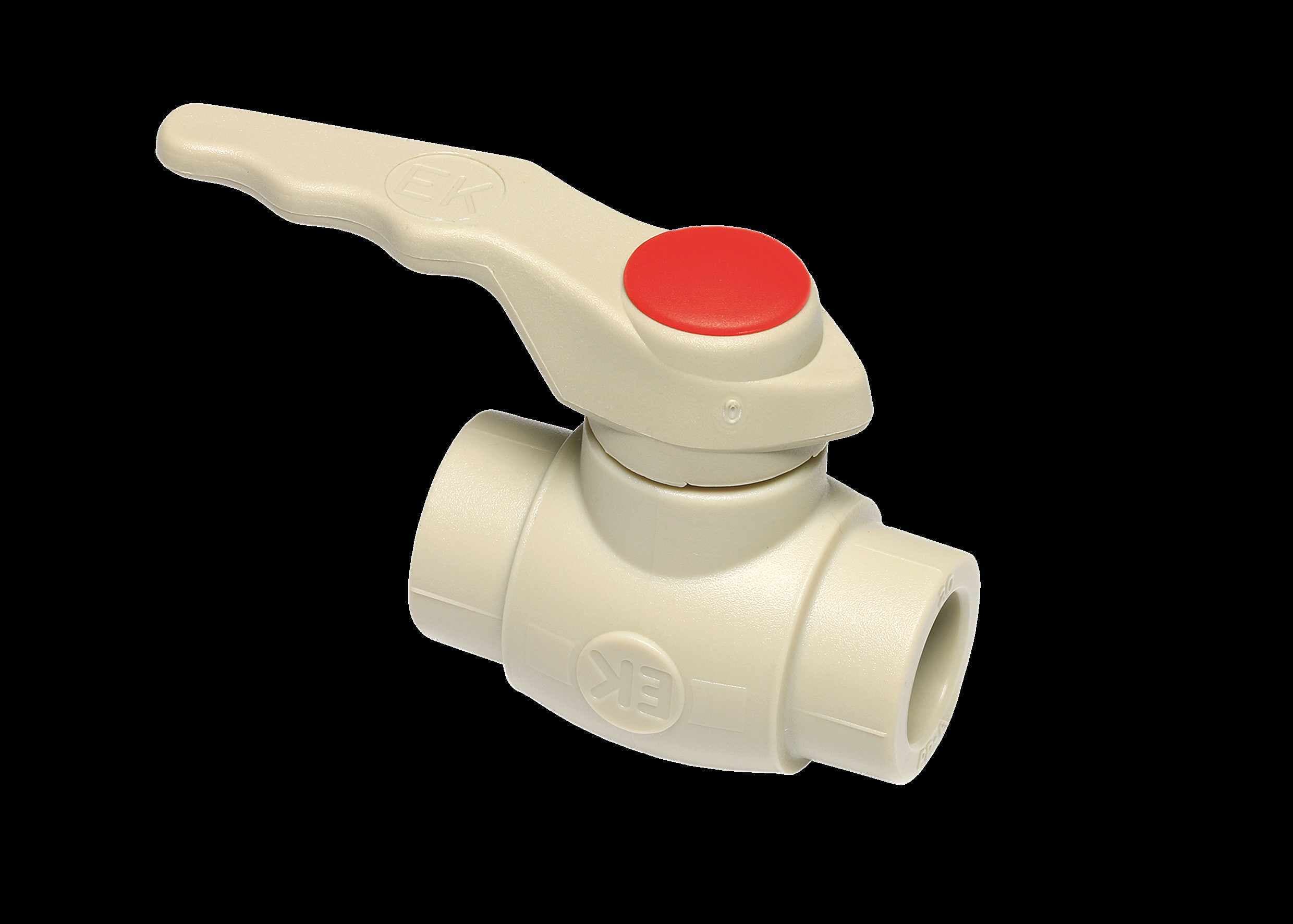
Replacement of risers, cranes
46 - 221 BGN
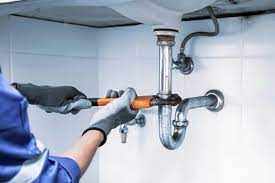
Replacement or repair of a plumbing installation
228 - 1695 BGN
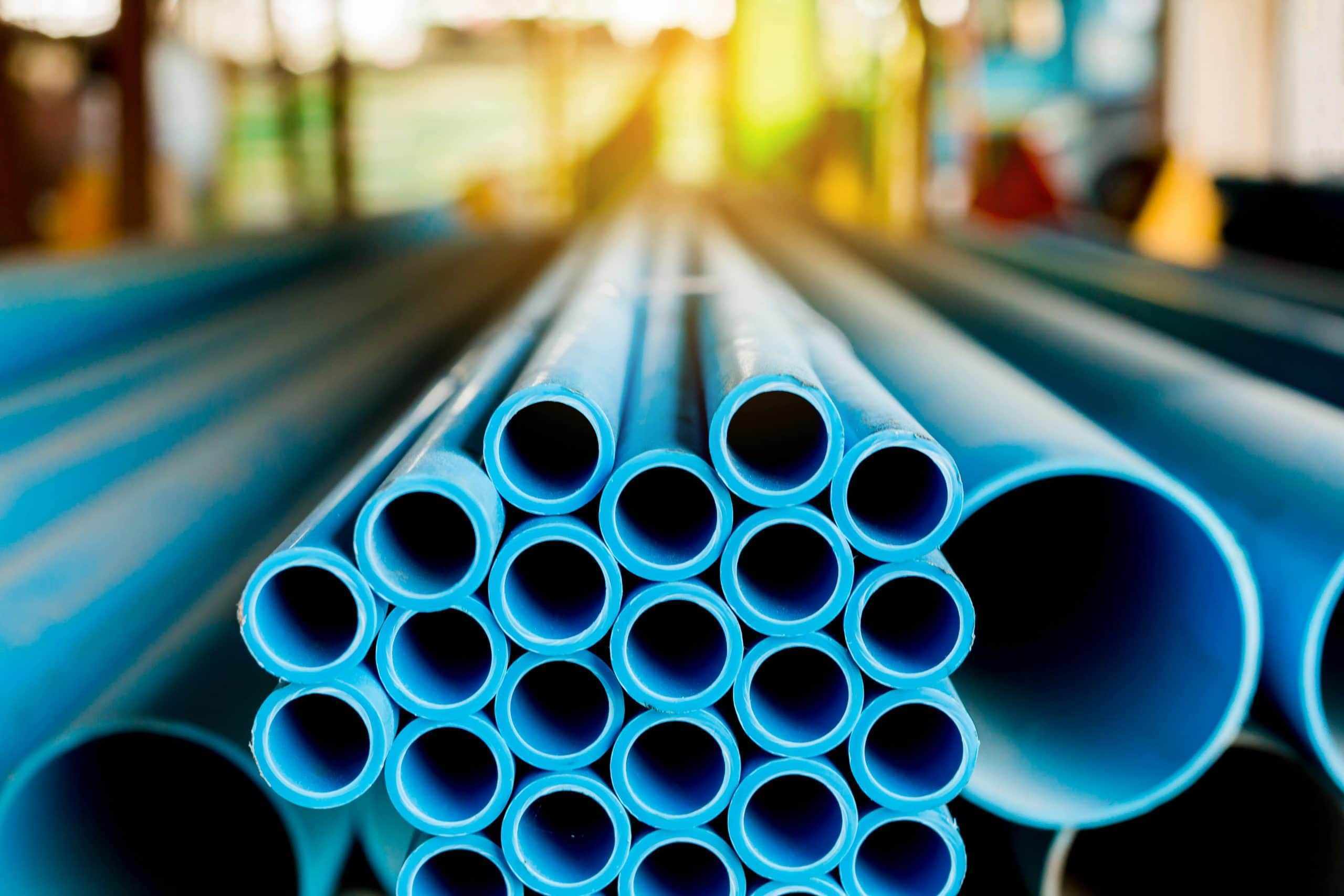
Installation of new pipes
12 - 118 BGN
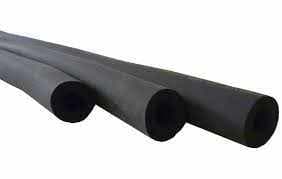
Installation of pipe insulation
5 - 25 BGN
Construction of a water metering unit with a shut-off valve and a water meter
152 - 1017 BGN
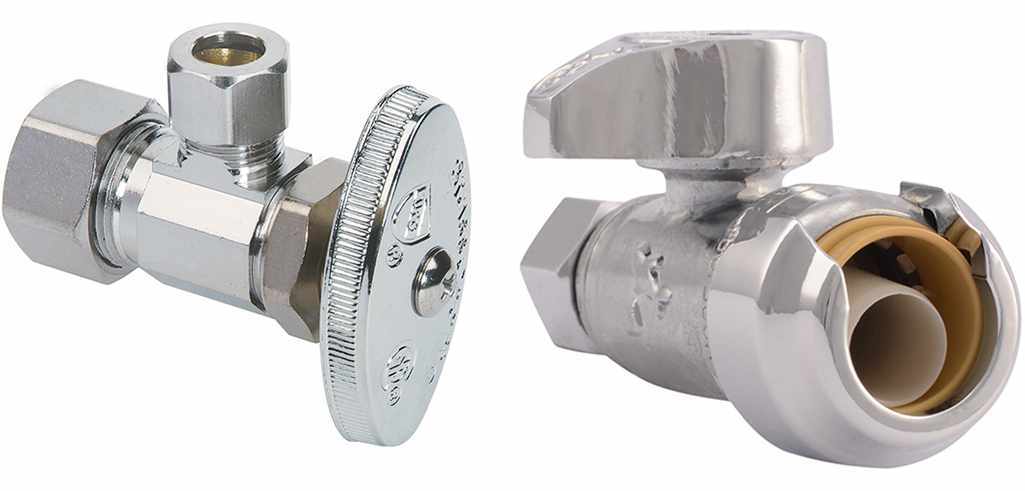
Replacing a shut-off valve
38 - 203 BGN
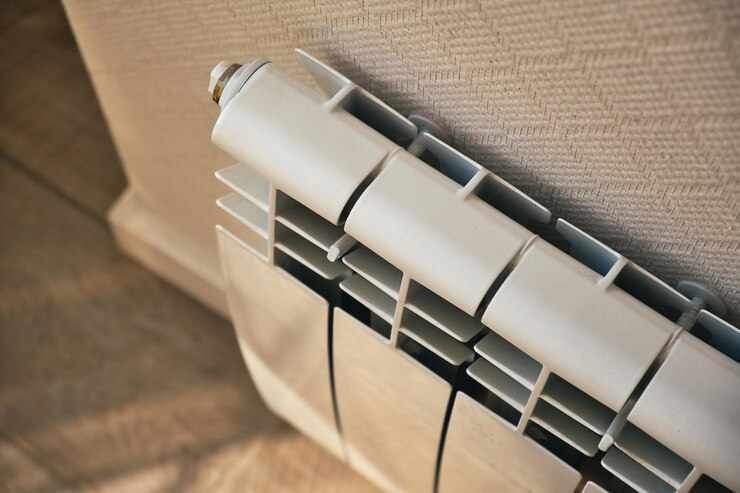
emergency removal of leaks from radiators and pipelines
200 BGN
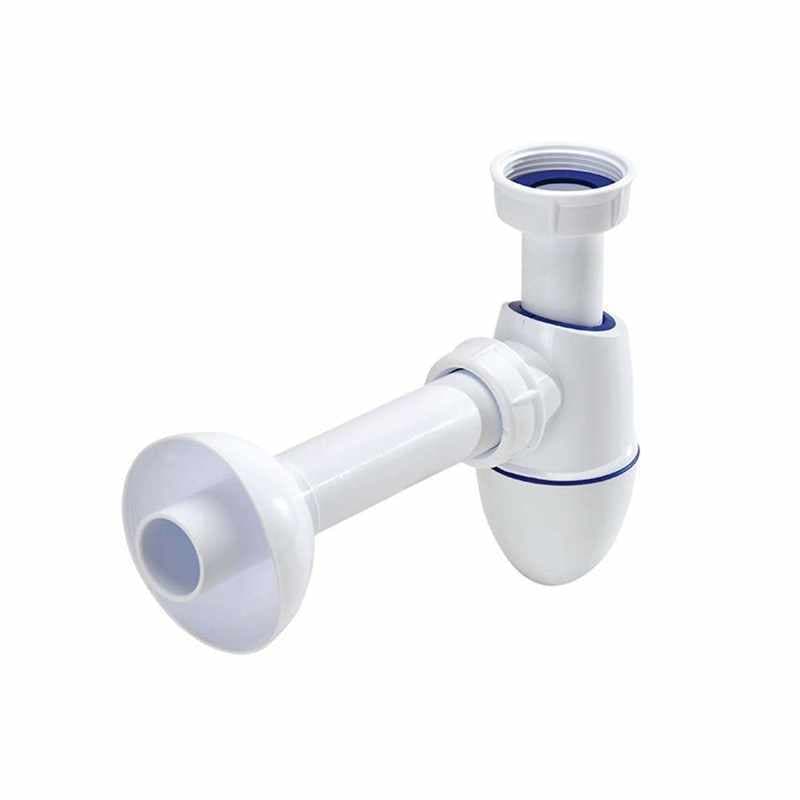
Installation of a sink siphon
46 - 306 BGN
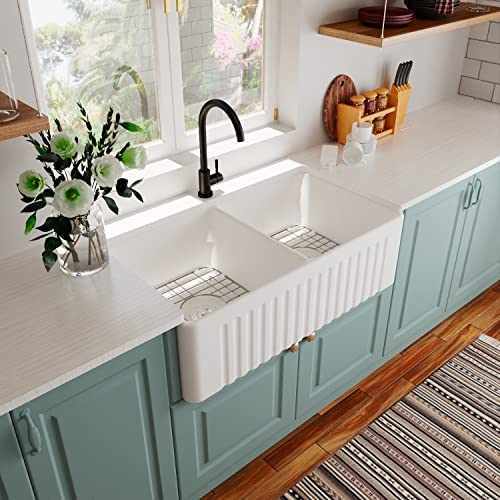
Installation of a porcelain sink
122 - 847 BGN
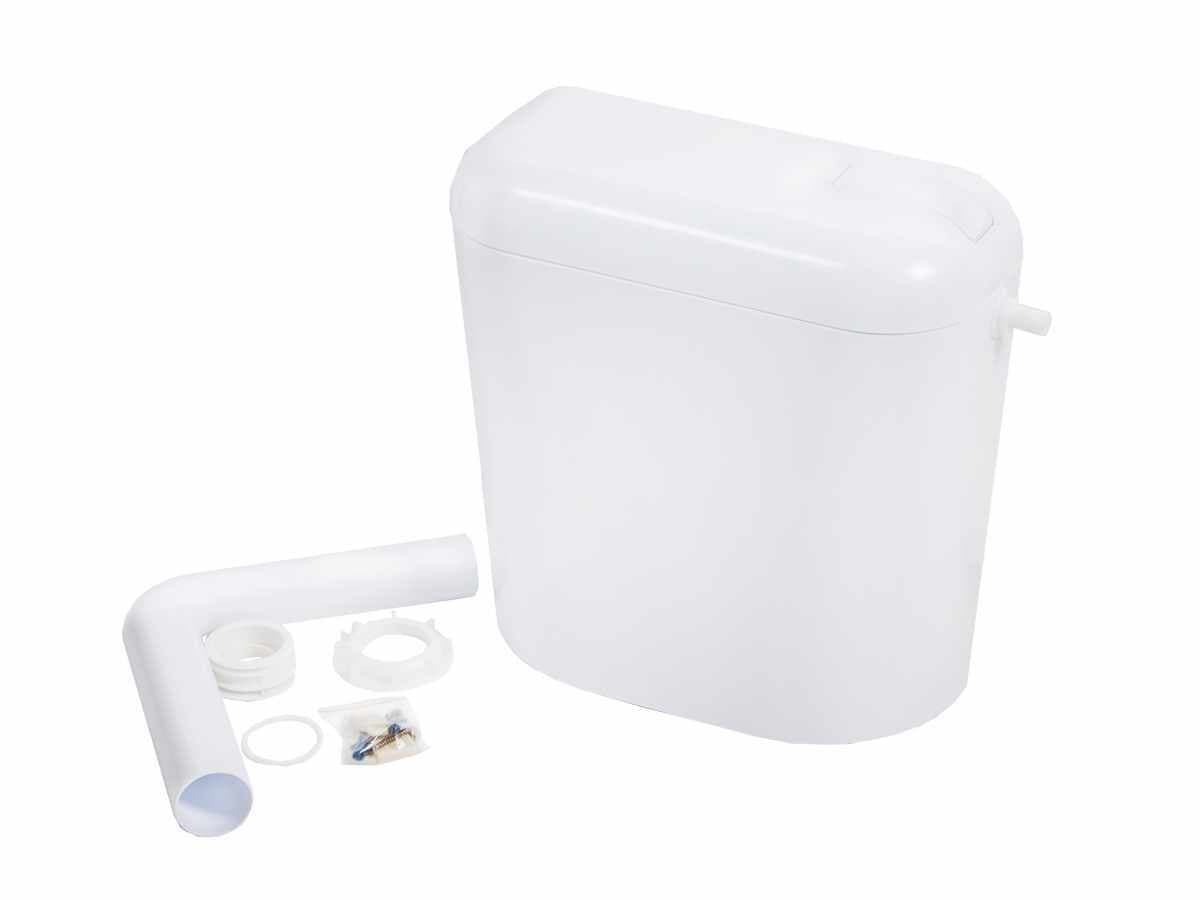
Installation of a plastic cistern
46 - 272 BGN
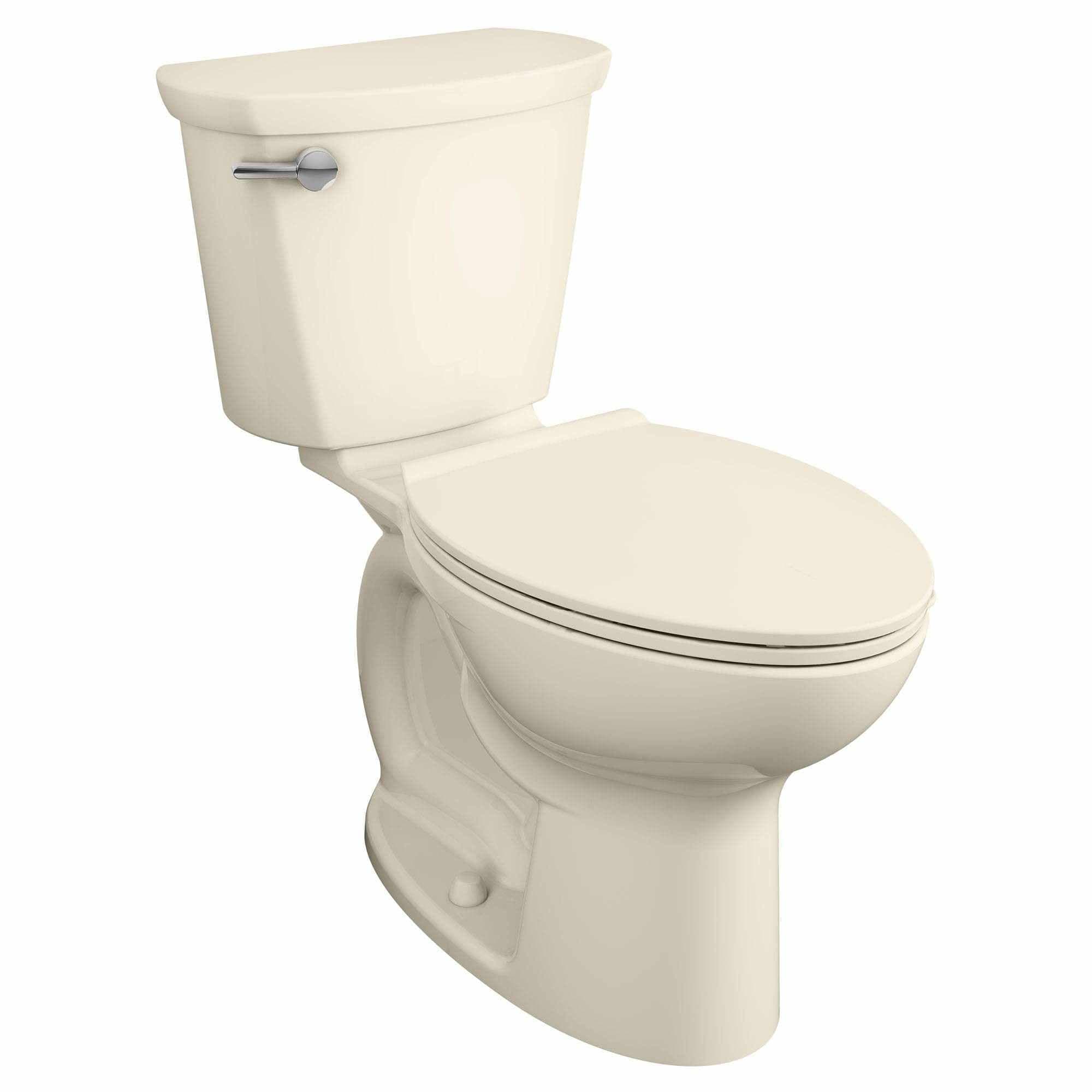
Installation of Toilet
182 - 1017 BGN
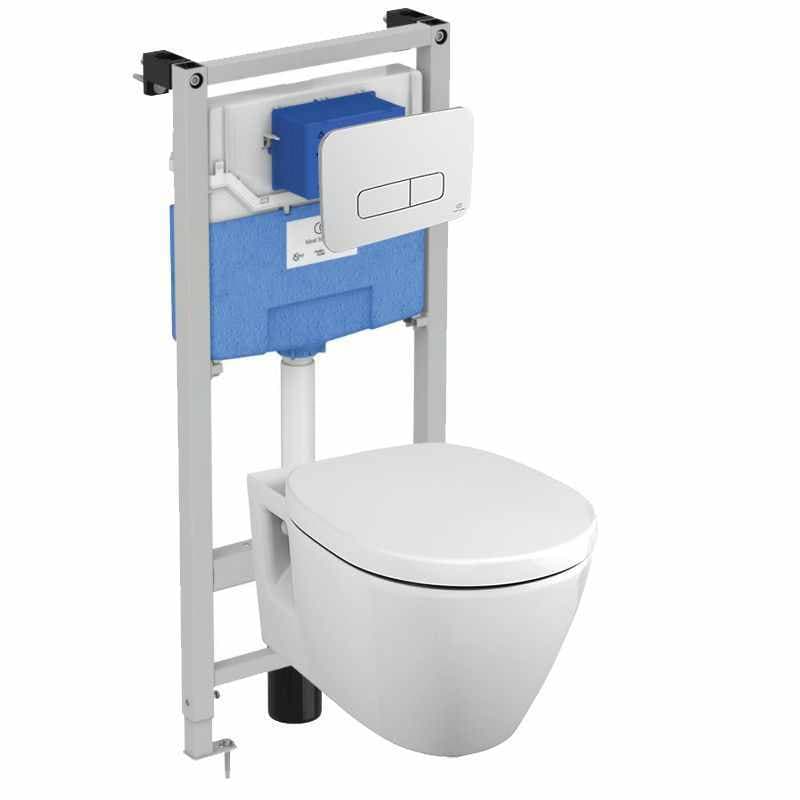
Installation of a built-in structure (toilet)
228 - 1356 BGN
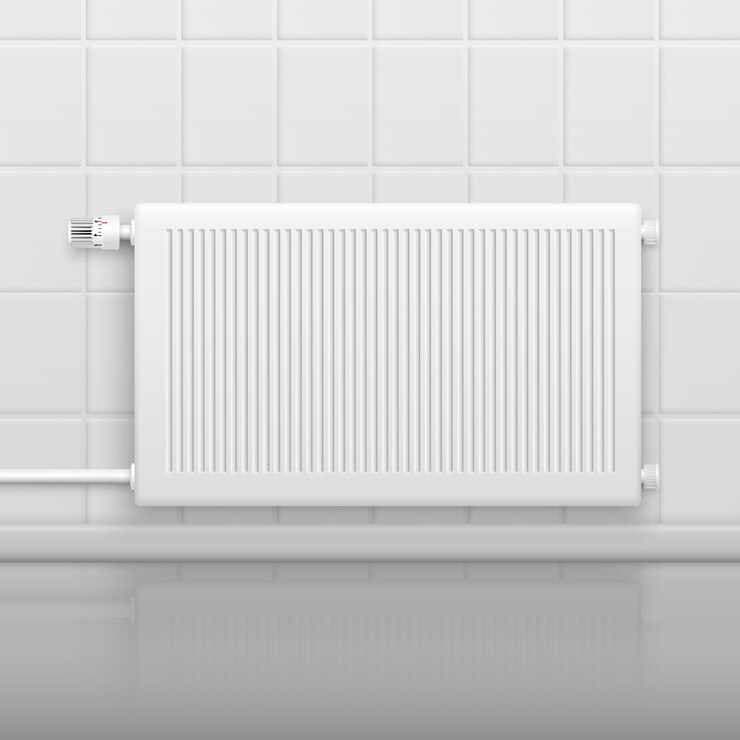
Moving radiators
152 - 508 BGN
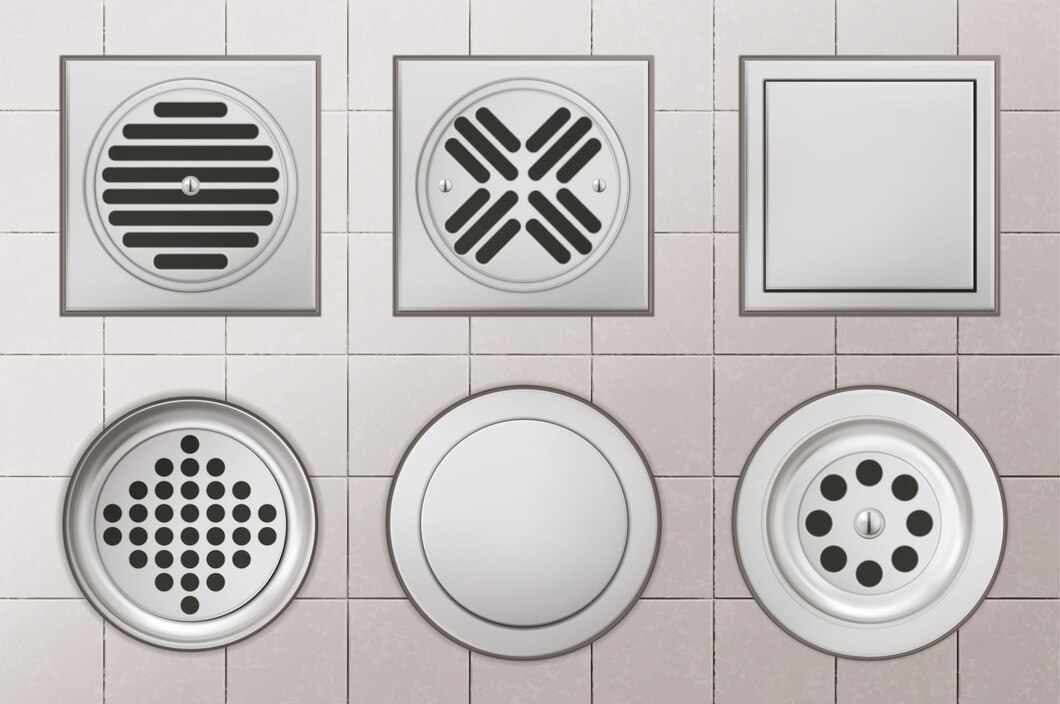
Unclogging a floor siphon in a bathroom
61 - 339 BGN
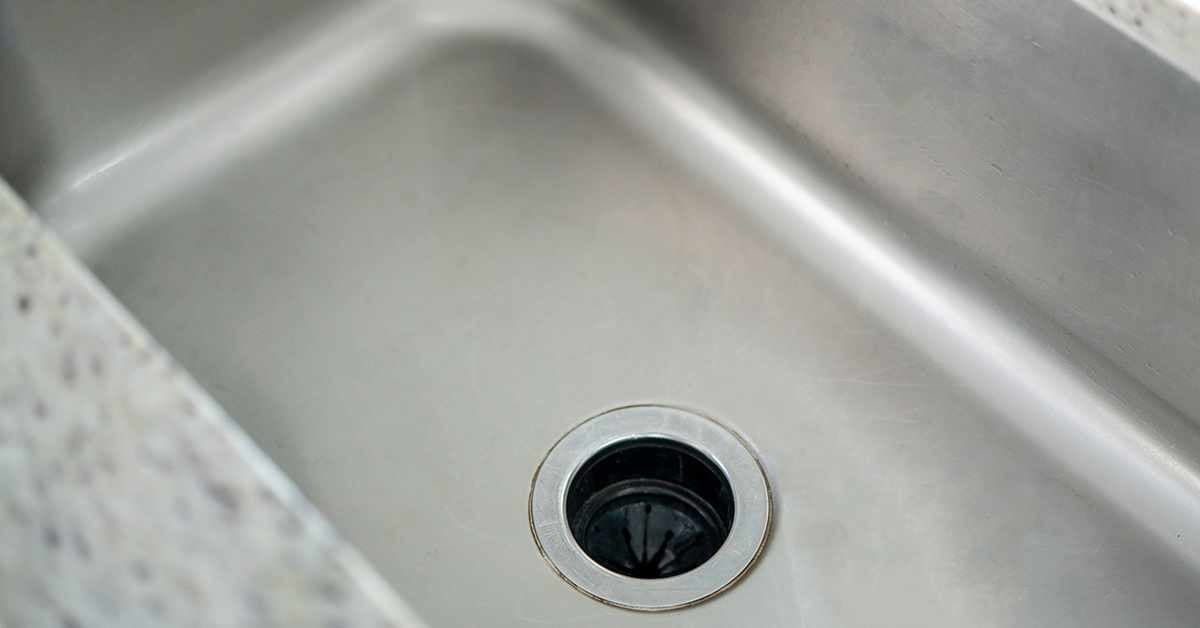
Unclogging a sink siphon in a kitchen or bathroom
61 - 272 BGN
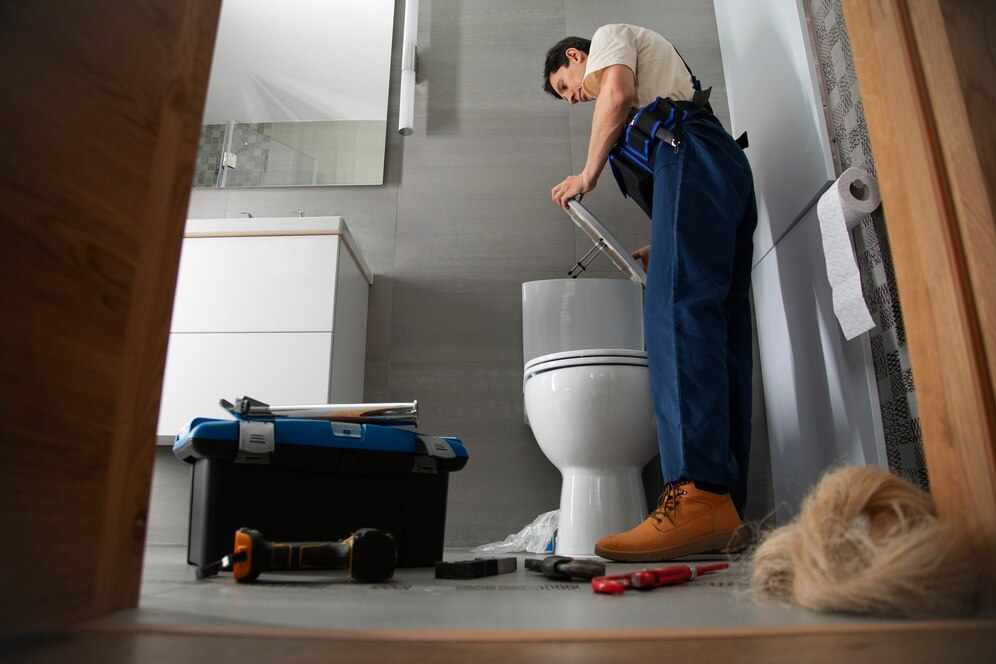
Unclogging a toilet
61 - 339 BGN
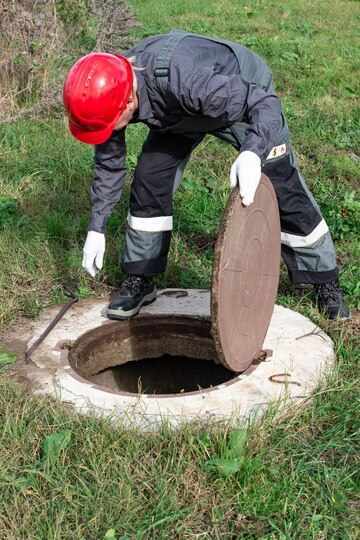
Unclogging an external sewer
228 - 1017 BGN
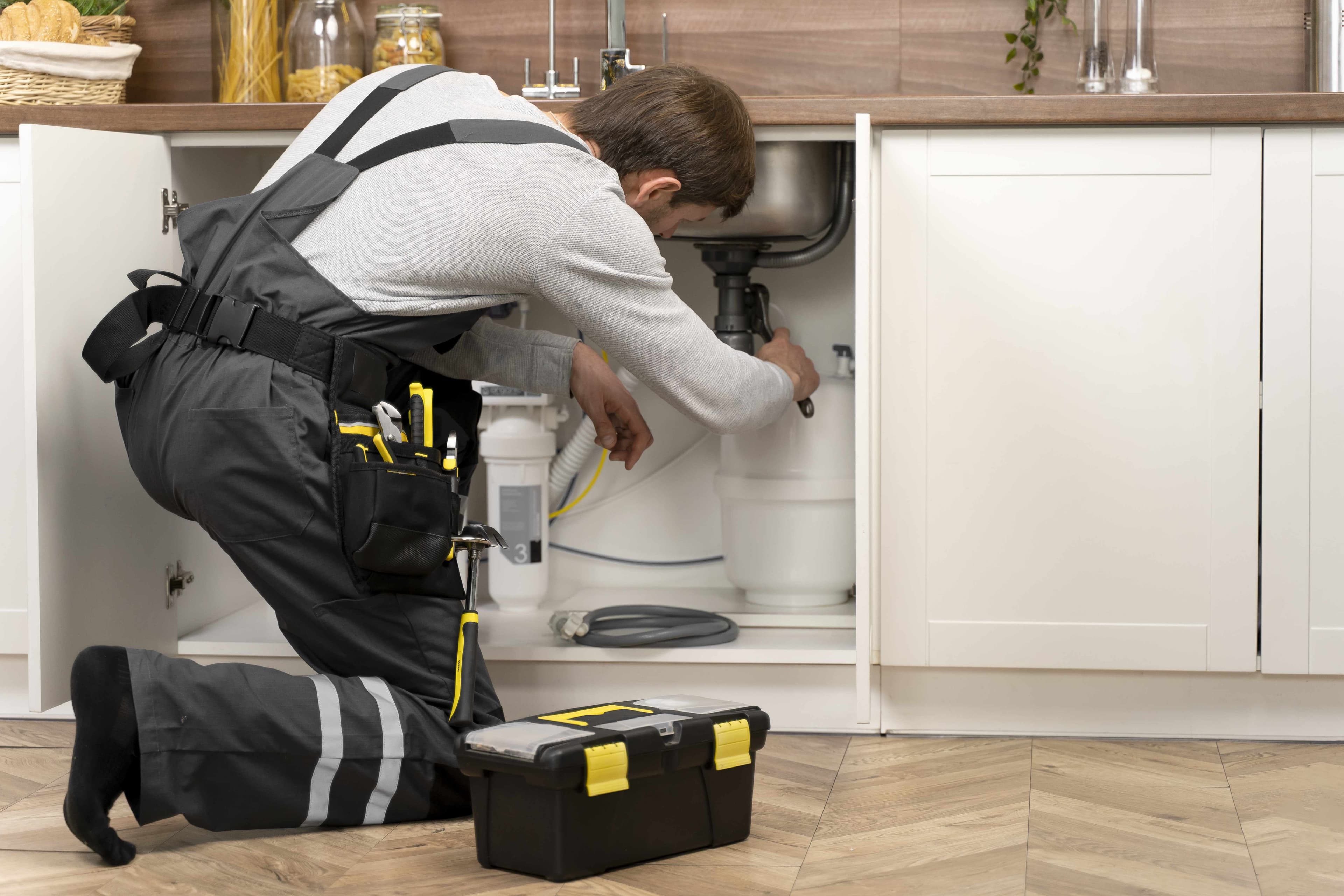
Emergency Plumbing Services
200 BGN
Emergency Unblocking
200 BGN
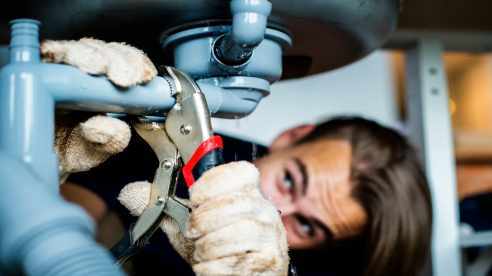
Unclogging a channel
76 - 508 BGN
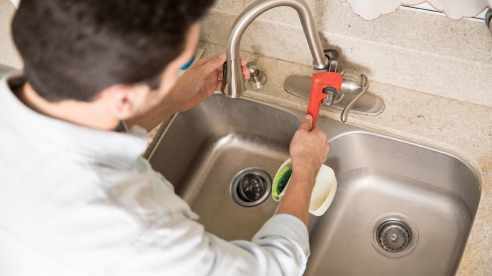
Sink installation
61 - 508 BGN
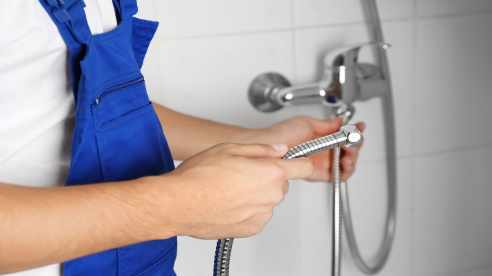
Soft link replacement
30 - 203 BGN
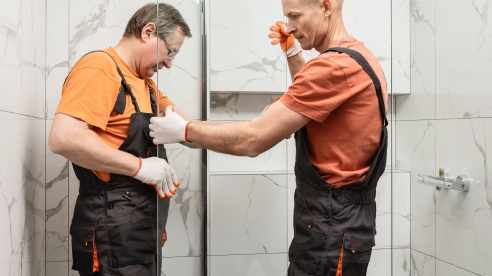
Installation of a shower
304 - 1356 BGN
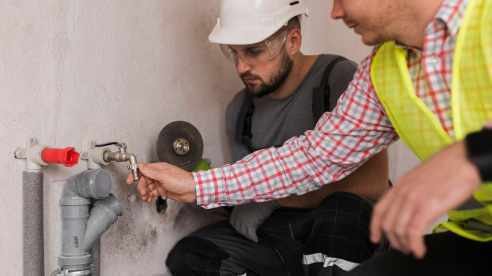
Leak removal
228 - 847 BGN
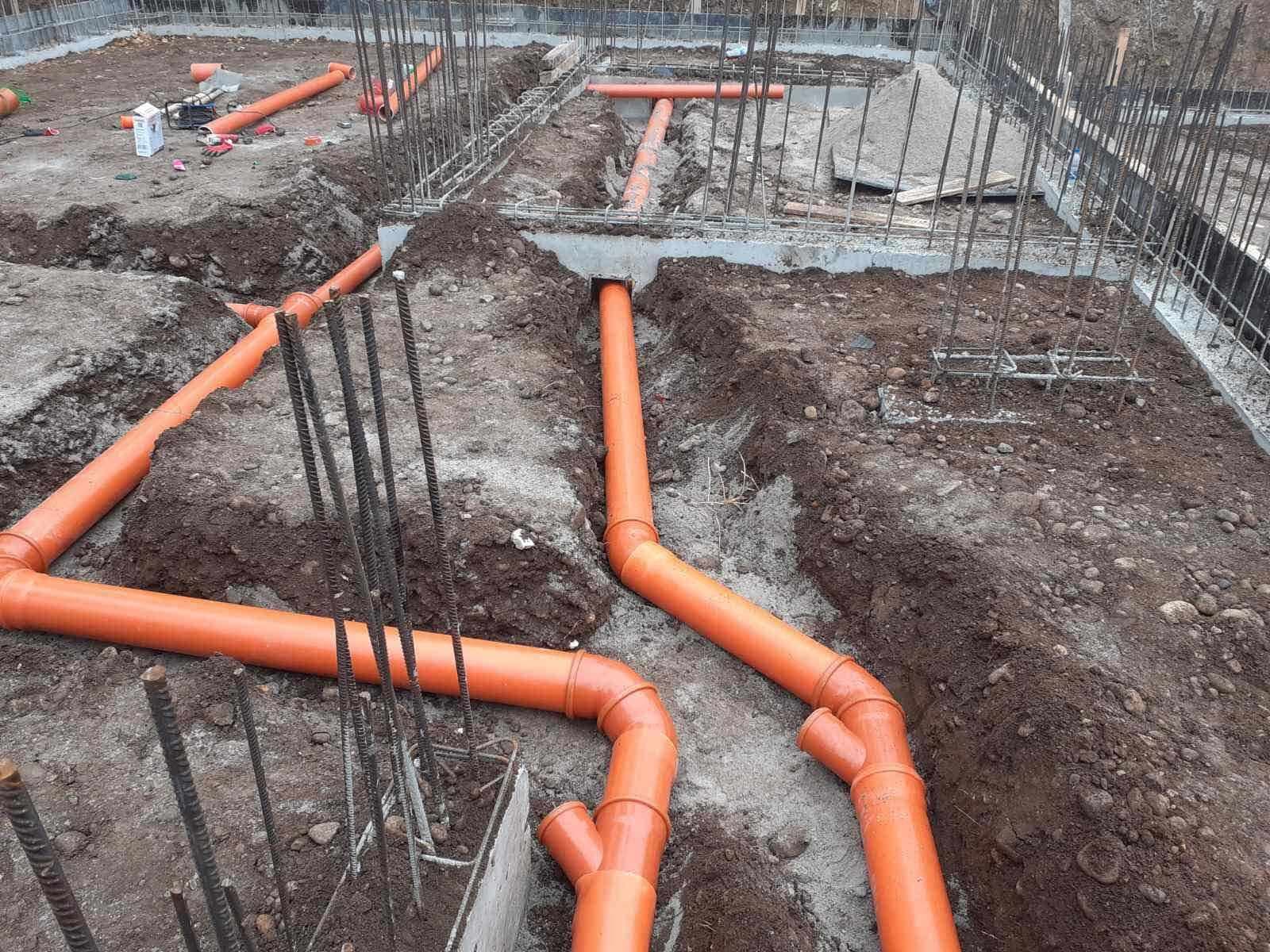
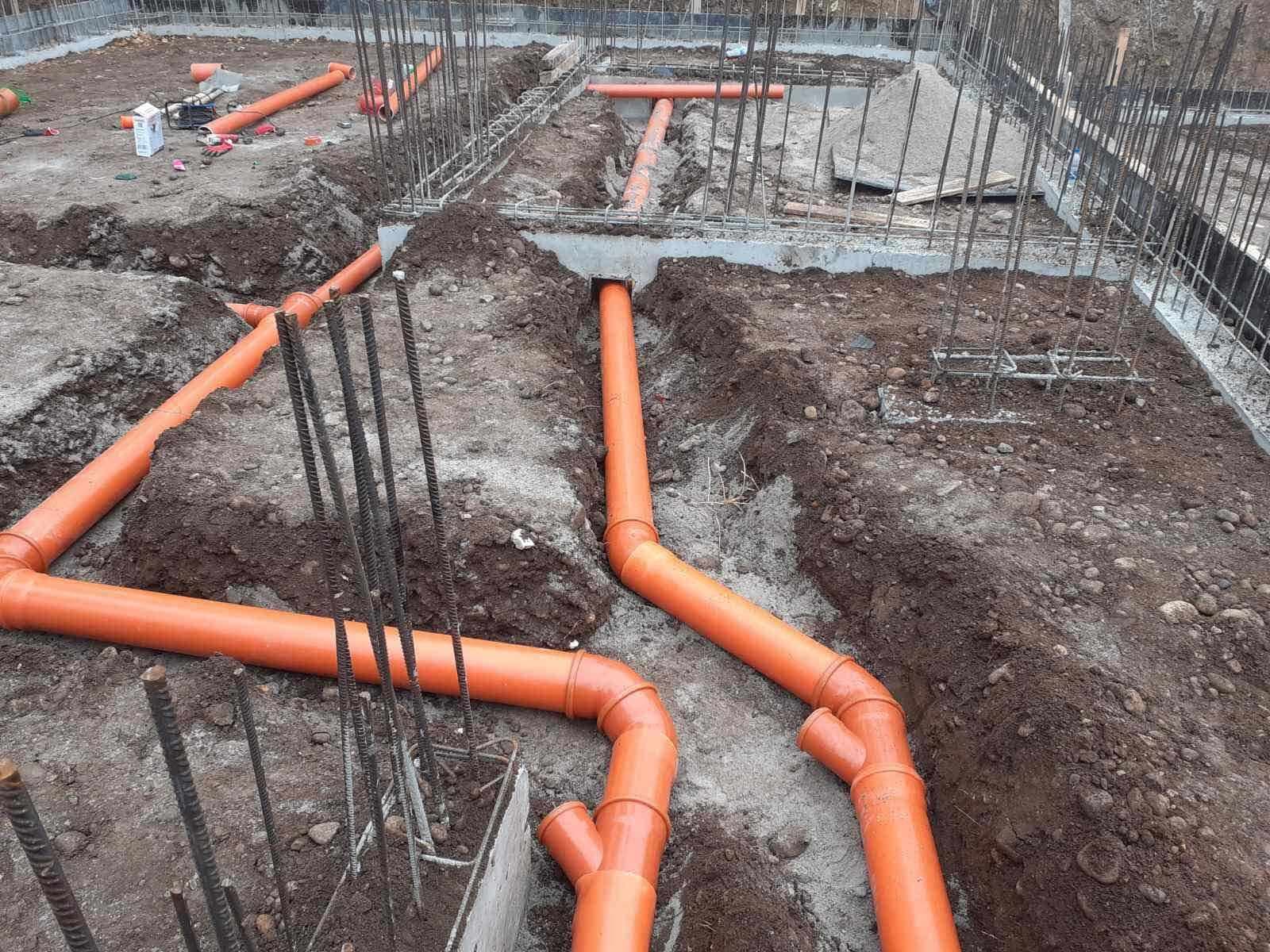
Construction of a new sewer
76 - 406 BGN
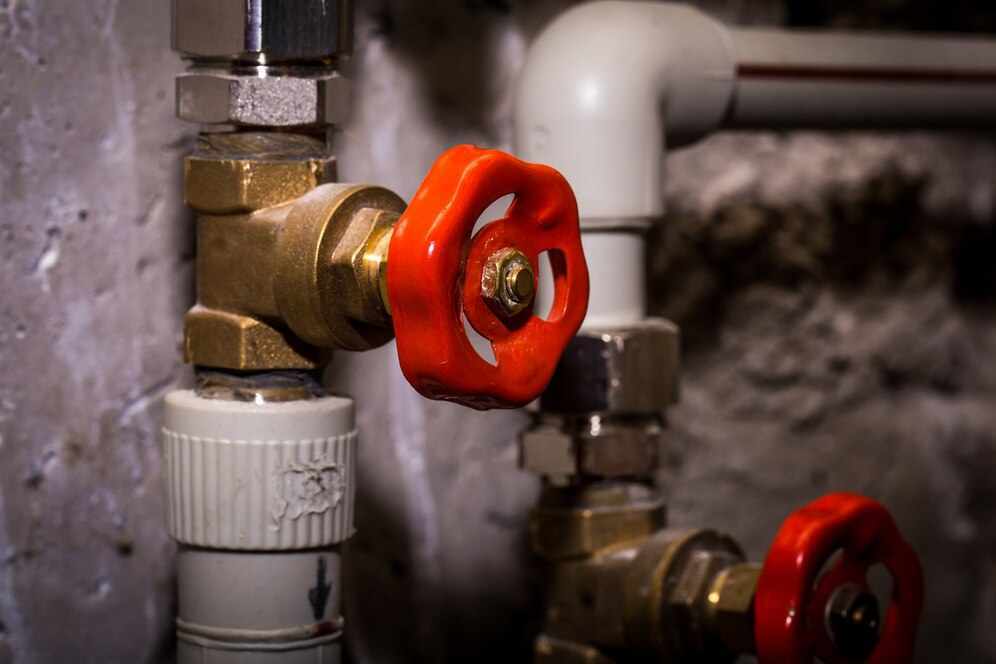
Sphere installation of start taps
61 - 339 BGN
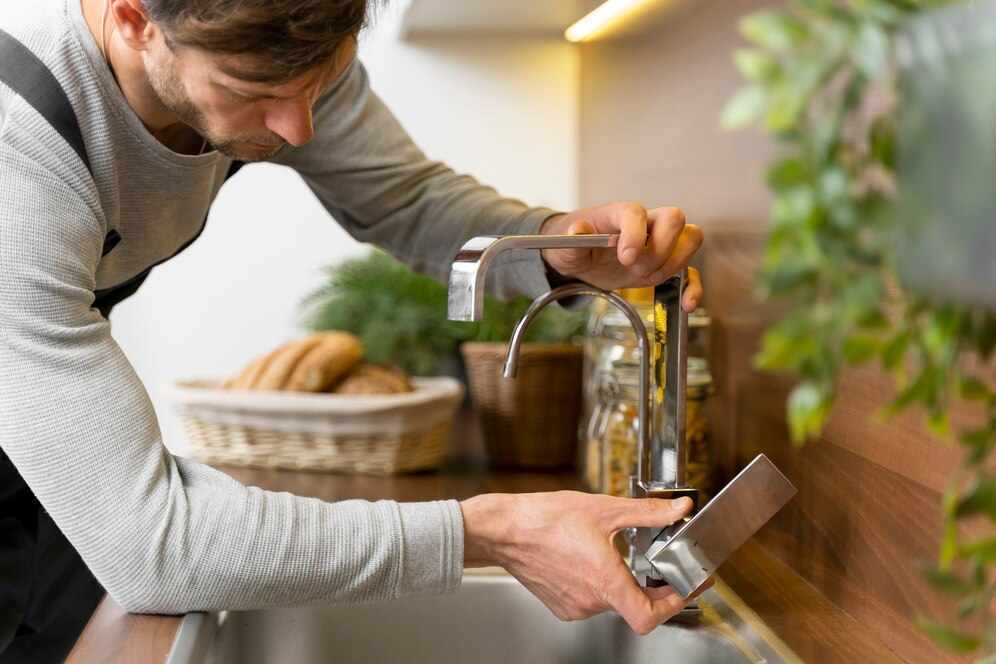
Faucet installation
76 - 406 BGN
Case study for plumbing services
In the morning, the bathroom smells like a drain. The sink drains slowly, and moisture appears under the water heater. The inspection shows three different problems: a clogged floor siphon, a worn soft connection on the mixer, and a weak slope in a section of the sewer. The solution requires quick diagnostics, correct unclogging, replacement of elements, and correction of slopes to prevent new accidents.
Diagnostics: how we find the source of the problem
We work according to a clear protocol: visual inspection → tracing → instrumental checks. We use a sewer camera for internal inspection of the pipes, water pressure tests for plumbing (typically 6 bar for testing new PPR sections) and a smoke test in case of suspicion of false siphons/missing water plugs. For proper operation, we check the slopes of the horizontal discharge pipes (guideline 2-3% depending on the configuration) and the seals of all connections. For radiators and mixers, we measure the flow rate and check the stopcocks.
Solutions
Quick recovery
- Unblocking a sink siphon in a kitchen or bathroom and unblocking a floor siphon with professional spirals and hydrojet.
- Replacing a soft connection on a mixer or toilet cistern, replacing a stopcock for safe stopping during future repairs.
- Cleaning siphons and inspections, tightening connections, checking for micro-leaks.
Replacing or correcting sections
- Dismantling old pipes with corrosion/deposits and installing new ones pipes of appropriate diameter.
- Construction of new sewers where old routes are irregular; correction of slopes for sustainable drainage.
- Replacement and repair of plumbing installation in bathroom/kitchen, including installation of pipe insulation to protect against condensation and noise.
- Replacement of risers and taps when there is frequent condensation, rust or low flow.
Complex repairs and equipment
- Unblocking of external sewers and main lines; locating settlements/bends with a camera.
- Moving radiators and reconfiguring water circuits during room renovations.
- Constructing a water meter unit with accessibility for control and installing and sealing a water meter according to requirements.
- Installing ball valves at key points for easy shutdown of individual circuits.
Installation services (sanitary and bathroom) — overview by elements
- Installation of a built-in structure: correct leveling, soundproofing pads, hermetic connection to the duct.
- Installation of a monobloc / bidet: stable fixation, seals, leak test.
- Installation of a plastic cistern and adjustment of the filling/draining mechanism for optimal flow rate.
- Installation of a porcelain sink and installation of a sink siphon: correct choice of siphons (bottle/pipe) according to the space.
- Installation of a mixer and installation of a shower faucet: correct eccentrics, leveling, sealing, check of flow rate/temperature.
- Installation of a shower cabin: leveling of trough/threshold, silicone seals, leak test at start-up.
- Sink installation (standardized installation for different materials and cabinets).
Leak removal and sewer problems
- Leak removal: localization, replacement of seal or section, repeated pressure test.
- Sewer unblocking and toilet unblocking: mechanical/hydrojet, avoid aggressive chemicals because they damage seals and pipes.
- External sewer unblocking: cleaning roots/debris, restoring inspection holes for future maintenance.
When to act immediately
- Persistent odor in the duct despite ventilation.
- Moisture/drops on ceilings/walls, stains around siphons.
- A sharp drop in flow rate or noises when starting.
- Frequent blockages at the same point.
- After bathroom renovation — lack of pressure test or documentation.
Installations and finishing touches that make a big difference
- Installation of a water meter and monitoring of consumption for early detection of leaks.
- Installation of pipe insulation in cold/hot water for comfort and economy.
- Installation of new pipes with appropriate diameter and materials according to the application (PPR/PEX/copper).
- Construction of new sewage with revisions to key points for quick access.
- Installation of ball valves on branches to sinks, boilers, mixers — facilitate future maintenance.
Safety and efficiency benefits
Correct slopes and diameters prevent water backflow and noise. High-quality shut-off elements minimize the risk of accidents. Pressure tests and visual inspection with a camera ensure that hidden sections are properly installed. The result is fewer emergency repairs, clean work and trouble-free operation in the long term.